

Belgium is the country I recommend to friends who tell me they’re intimidated by trip planning, because getting there is genuinely one of the least stressful arrivals in Europe. I’ve flown in, trained in, and once even bussed in on a budget week, and none of those options left me standing at a station confused about what to do next. That’s rarer than it should be.
Here’s what actually matters when you’re figuring out how to get into the country and where to point yourself once you land.
This is the practical version of that planning: which airport to actually book, when the train genuinely beats flying, and why I stopped assuming Brussels had to be my base just because it’s where the country’s transport happens to converge.
Flying In: Brussels Airport Isn’t Your Only Option
Brussels Airport (BRU) in Zaventem handles the bulk of long-haul arrivals, and it’s a straightforward 20-minute train ride into Brussels-Central, with departures roughly every 10 to 15 minutes through most of the day. What surprised me the first time was how competitive Antwerp International Airport is for anyone whose trip is actually centred further north; it’s smaller and handles mostly European routes, but if Antwerp or Ghent is your real destination, flying into Brussels and then backtracking by train adds an hour you don’t need to spend.
Charleroi Airport, used heavily by Ryanair, is the budget option worth knowing about even though it sits nearly an hour south of Brussels by dedicated shuttle bus. I’ve booked flights into Charleroi twice purely because the fare was a third of the Zaventem price, and the shuttle bus timed to meet arriving flights made the extra distance a non-issue. The shuttle drops you at Brussels-Midi/Zuid rather than Brussels-Central, which is a detail that trips people up when they’ve only researched Zaventem’s train connections; from Midi it’s a short onward hop on the domestic rail network into the city centre proper, so budget an extra 20 to 30 minutes beyond what the flight comparison sites usually quote.
By Train: Genuinely the Best Way to Arrive

If you’re already anywhere in Western Europe, I’d genuinely recommend the train over flying into Belgium at all. The Eurostar (which absorbed the old Thalys brand after their 2023 merger) connects Brussels to Paris in about 1 hour 22 minutes, with departures almost hourly, and the same network reaches Amsterdam and Cologne in under three hours. I did the Paris-to-Brussels leg on a whim once during a longer trip and it remains one of the more pleasant hour-and-a-bit train rides I’ve taken anywhere.
Brussels has three main stations, Midi/Zuid, Central, and Nord, and international trains almost always arrive at Midi/Zuid, which sits in a slightly rougher part of the city than visitors expect from photos of Brussels’ old town. It’s safe enough during the day, but I’d avoid lingering there after dark, and connecting straight onto a domestic train or tram toward Central is the move rather than walking out to explore. Keep your Eurostar or SNCB ticket handy through the barriers at Midi specifically, since it’s one of the few Belgian stations where I’ve actually had a conductor ask to see it again on the platform rather than just checking it once on board.
The Budget Route: FlixBus and the Motorway Network

FlixBus runs Brussels routes from dozens of European cities, and on the week I was travelling on a tight budget, it beat both the train and any flight I could find, sometimes by a significant margin. The trade-off is obvious: a Paris-to-Brussels coach takes three to four hours against the train’s 90 minutes, but if you’ve got the time and not the cash, it’s a completely viable way in.
Driving in is easy too. Belgium’s motorway network connects seamlessly with France, the Netherlands, Germany and Luxembourg, and unlike some neighbouring countries, there are no road tolls to budget for. I wouldn’t bother renting a car specifically for Brussels itself, since the old town is compact and a car becomes a parking headache, but if you’re planning to loop through Bruges, Ghent and the Ardennes on the same trip, having one from day one makes the whole itinerary more flexible. Parking in the historic centres of Bruges and Ghent is genuinely restricted and expensive, though, so I’d still plan to leave the car at a park-and-ride on the edge of town and walk or tram in rather than trying to drive straight to your hotel door.
Brussels or Somewhere Smaller First?
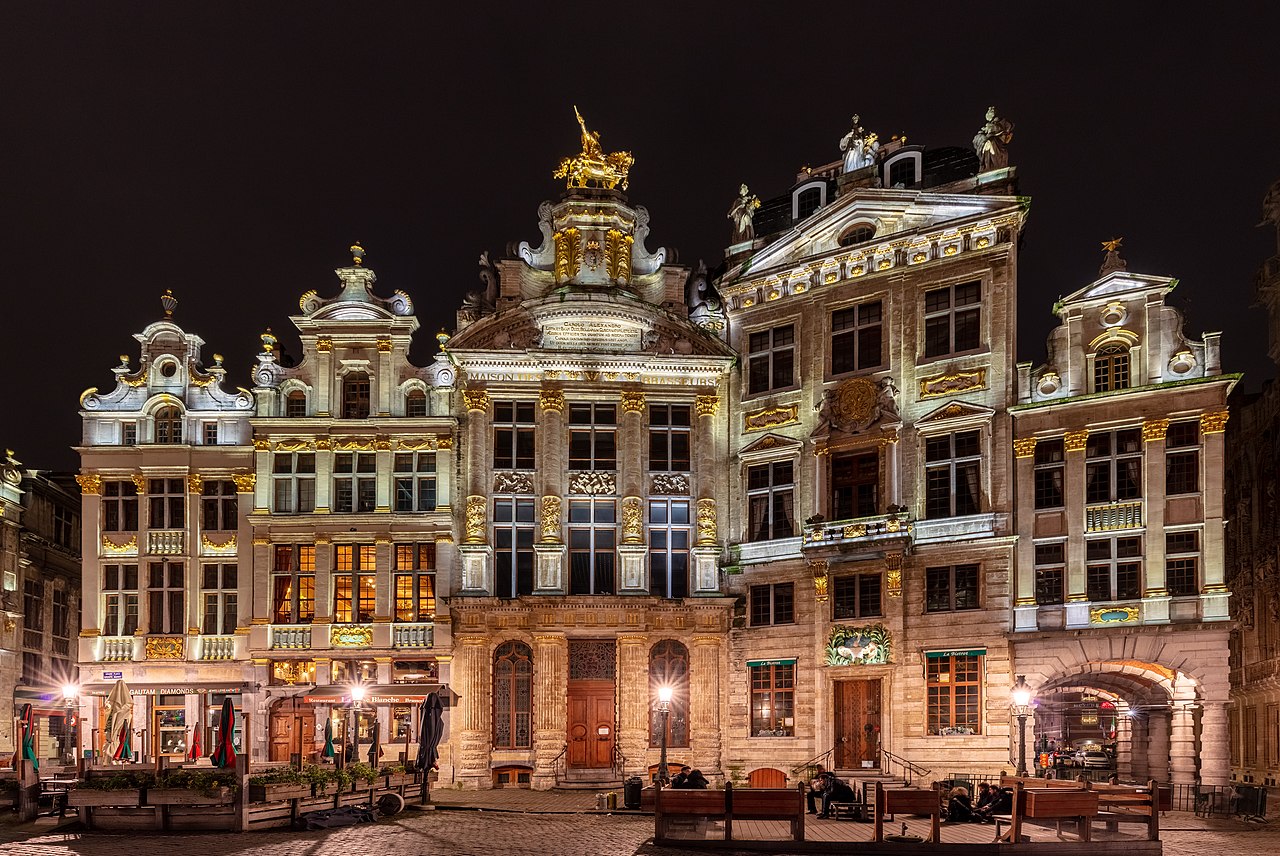
Brussels makes sense as a first stop for almost everyone, mostly because it’s the transport hub everything else radiates out from, and I go through what to actually do once you’re there in my Brussels guide. But Belgium is small enough, and its rail network good enough, that basing yourself somewhere other than the capital for your whole trip is a genuinely reasonable choice too.
I’ve done exactly that, staying in Ghent for four nights and day-tripping into Brussels, Bruges and Antwerp, each under an hour away by direct train, and it worked better than I expected precisely because Ghent itself has a fraction of Bruges’ tourist density while offering nearly identical canal-and-guild-house scenery. I cover how the different Belgian cities compare in more depth in my full Belgium guide, if you’re trying to decide where to actually spend your nights.
Getting Between Belgian Cities
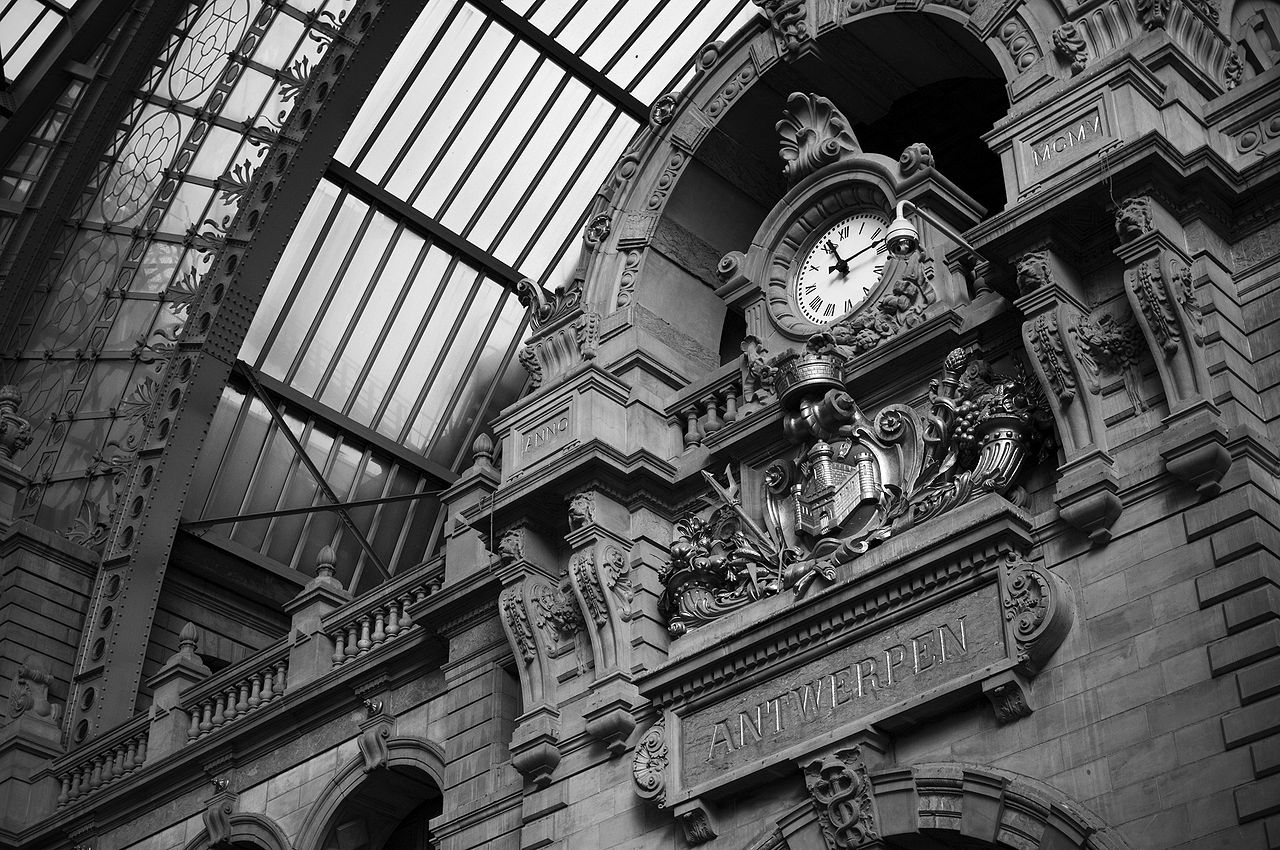
SNCB, the national rail operator, connects Brussels, Bruges, Ghent and Antwerp in journeys mostly under 90 minutes, and Antwerp Central Station alone is worth arriving at just to see the building, a cathedral-like train hall that regularly gets voted among the most beautiful stations in the world. I’ve genuinely gone out of my way to route a Belgium trip through Antwerp Central rather than skip it, just to walk through the main hall again. Ghent-Sint-Pieters and Bruges’ own station are both plainer by comparison, purely functional, but neither adds more than a few minutes’ walk to reach the historic centres they serve, which is more than can be said for some European cities where the station sits well outside the part of town anyone actually wants to see.
Tickets bought a few days ahead through the SNCB app are cheap enough that I’ve never bothered with a rail pass for a trip confined to Belgium alone; the country is compact enough that point-to-point fares rarely add up to more than a multi-day pass would cost anyway.
Visa and Entry Basics

Belgium is part of the Schengen Area, and visitors from the US, Canada, Australia and most of the rest of the developed world can enter visa-free for stays up to 90 days. EU/EEA passport holders face no restrictions at all. I’d keep the same six-month passport validity buffer I’d recommend for any Schengen country, even though the technical minimum is shorter, just to avoid any friction at check-in for your flight. Belgium doesn’t currently run any of the periodic land-border checks some of its neighbours occasionally reinstate, so arriving overland from France, the Netherlands or Germany is typically a non-event with no passport stamp at all if you’re travelling within the Schengen zone throughout.
When to Book

Flights and Eurostar fares into Brussels are cheapest in the shoulder months, March through May and September through October, and climb noticeably around July and August when the rest of Western Europe is also on the move. I’ve had good luck booking six to eight weeks out for a spring or autumn trip, and the same rule about shifting your dates a week off any public holiday applies here as much as anywhere else in Europe; Belgian school holidays in particular push domestic train and hotel prices up more than most visitors expect, and Bruges specifically gets genuinely uncomfortable with day-trip crowds on summer weekends, which is worth factoring in if flexible dates are an option for you.
None of this needs much more thought than that: fly into Brussels or Charleroi depending on your budget, take the train if you’re already on the continent, and don’t feel obligated to make Brussels your base just because it’s where the trains converge. Belgium’s whole rail network is compact enough that wherever you land, everywhere else is close. That compactness is, honestly, the whole appeal of planning a trip here in the first place: there’s very little room for a genuinely bad arrival decision to cost you more than an extra hour of your holiday.
