
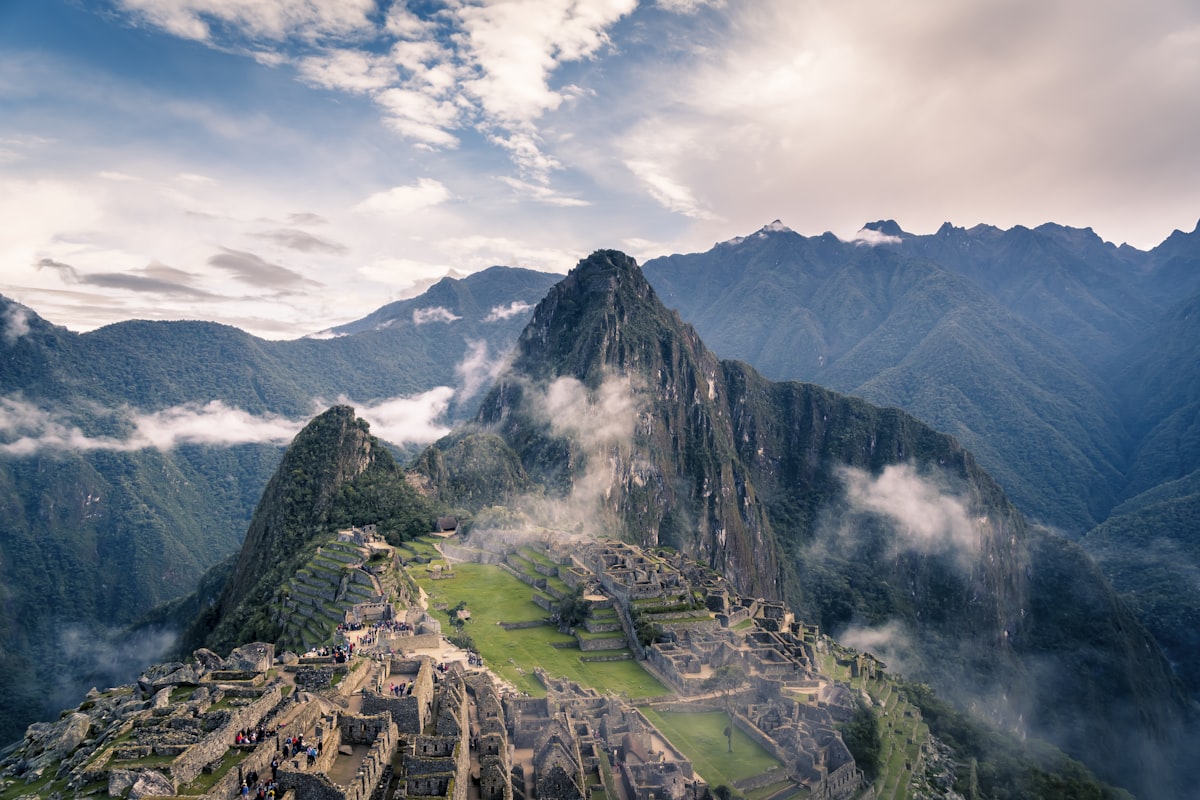
I landed in Cusco on a clear afternoon, walked up the stairs from the baggage hall to the taxi rank, and by the time I reached the top I was breathing like I had just run a sprint. The city sits at 3400 metres above sea level. The air is thinner than most people expect, even those who have done their research, and the body has to adjust whether you give it time to or not.
Altitude sickness, or soroche as it is called in Peru, affects roughly half of all visitors to Cusco in some form. Understanding it in advance makes the difference between a miserable first few days and an enjoyable one.
What Altitude Sickness Actually Feels Like

”
Mild altitude sickness presents as a headache, usually behind the eyes or at the temples, fatigue that is disproportionate to the activity, and occasional nausea. It typically appears within the first few hours of arrival and peaks on the first or second night. Most people feel significantly better by day three.
Severe altitude sickness, including pulmonary or cerebral oedema, is rare but genuinely dangerous. The warning signs are persistent vomiting, inability to walk straight, severe shortness of breath at rest, and confusion. If any of these appear, descent is the only treatment.
Acclimatisation: The Only Strategy That Actually Works

”
The single most effective thing you can do is arrive in Cusco before you need to be functional. If your Inca Trail permit starts on day three, arrive on day one. The body needs 24 to 48 hours of minimal exertion at altitude to begin adjusting. Do not arrive the night before and expect to start a strenuous trek the next morning.
Flying to Cusco via Lima means you arrive at sea level the day before and gain altitude gradually overnight on a domestic flight. This is better than flying directly from a lower elevation international hub without any intermediate stop.
Coca Tea and Diamox: What Works

”
Coca tea is served in every hotel in Cusco and is mildly effective for mild symptoms. The coca leaf contains alkaloids that help the body process oxygen more efficiently and the tea form is legal everywhere including in airports. It tastes like green tea with an earthy undertone and drinking two or three cups on arrival does appear to help.
Acetazolamide, sold as Diamox, is a prescription medication that accelerates acclimatisation. Starting it 24 hours before arriving at altitude and continuing for the first two days is the protocol most altitude medicine specialists recommend. It causes increased urination and tingling in the fingers and toes. It works. Consult a doctor before taking it, particularly if you have any sulfa drug allergies.
What to Avoid in the First 24 Hours

”
Alcohol significantly worsens altitude sickness and impairs the acclimatisation process. Sleeping pills and sedatives suppress breathing during sleep and can be dangerous at altitude. Heavy exercise on day one is counterproductive regardless of how well you feel.
The best strategy for the first day in Cusco is to walk slowly, drink water and coca tea, eat lightly, and rest. The Plaza de Armas, the Cathedral, and the San Blas neighbourhood are all walkable at a pace that does not challenge the lungs. Save the serious sightseeing for day two when the body has begun to adjust.
Route, budget and verification notes
Last editorial review: 1 August 2026. Recheck time-sensitive details shortly before travel.
Build the route
- What Altitude Sickness Actually Feels Like
- Acclimatisation: The Only Strategy That Actually Works
- Coca Tea and Diamox: What Works
- What to Avoid in the First 24 Hours
Use these sections as planning anchors rather than a fixed schedule. Confirm door-to-door transfer times, opening days and reservation requirements, then add recovery time after long journeys.
Budget before booking
Price the trip in four separate groups: accommodation, transport, food and paid activities. Add local transfers, baggage fees, taxes, insurance and a contingency amount. Exact prices vary by season and booking date, so this guide does not invent a single daily figure that may already be outdated.
Sources to verify
- Peru Travel for official or primary travel information.
- IATA Travel Centre for passport, visa and health-document checks.
