

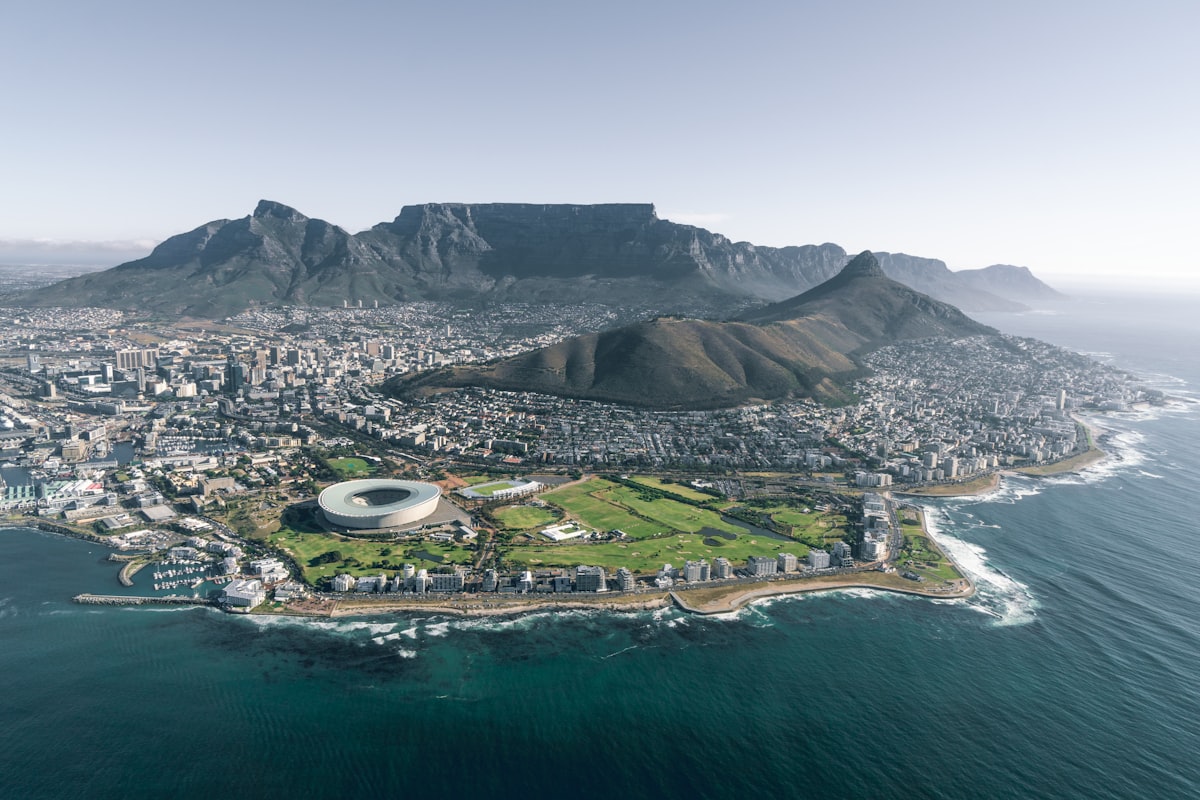
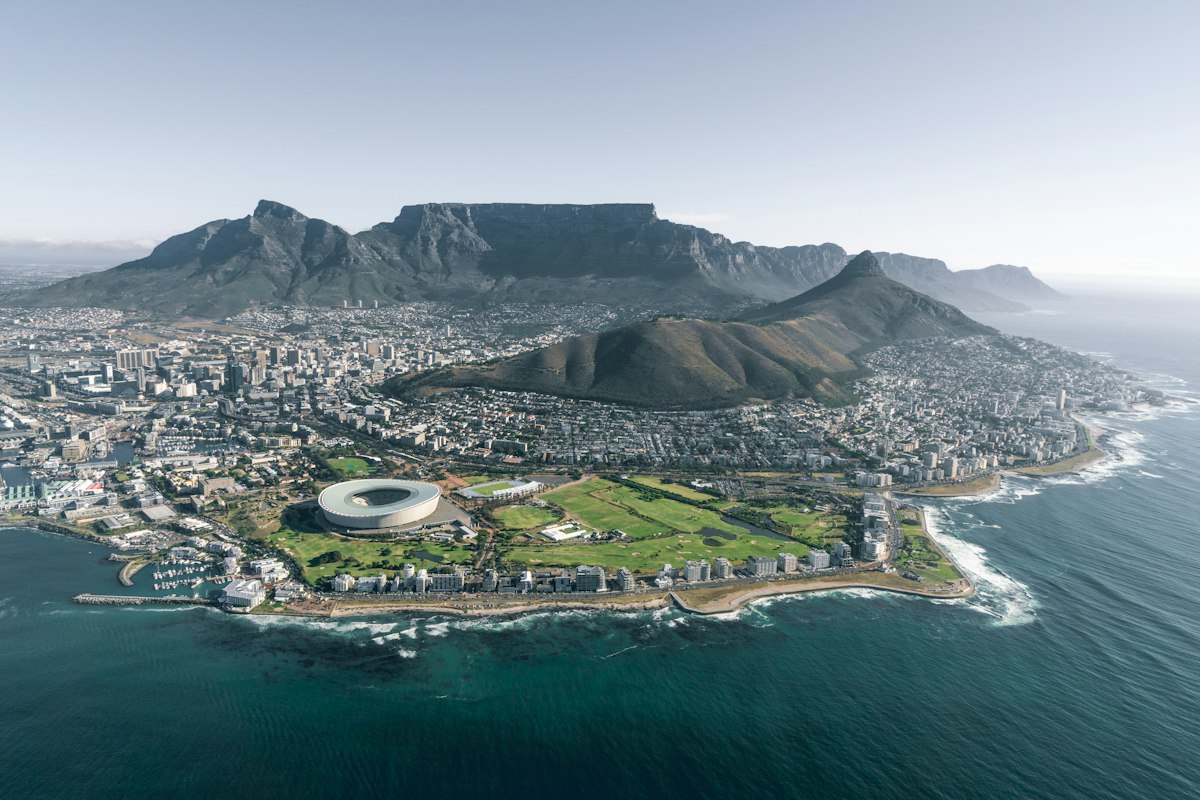
I have a theory about Cape Town: it is the most beautiful city in the world, and the reason more people do not say so is that not enough of them have been. The combination of mountain, ocean, winelands, world-class food and genuinely wild nature within an hour of the city centre is simply unmatched anywhere else I have visited. I went for ten days and stayed for six weeks.
Table Mountain: The View That Defines the City

Table Mountain is visible from almost everywhere in Cape Town, a vast, flat-topped sandstone massif that looms above the city with quiet authority. Take the cable car to the summit on a clear day — cloud covers the mountain with frustrating frequency, so check the forecast and go when the sky is blue — and you will find yourself on a plateau with views stretching from the Atlantic to the Winelands, with the Cape Peninsula curling south below you.
If you prefer to walk up, the Platteklip Gorge route takes around ninety minutes and is straightforward. The India Venster route is quieter and more beautiful. Both deliver the same extraordinary summit, and walking up and cabling down is the best of both worlds.
The Cape Peninsula: Wild Coast, Penguins and the End of Africa
The Cape Peninsula extends south from Cape Town for about seventy kilometres, ending at Cape Point, where the land falls into the ocean in dramatic cliffs. Driving the peninsula — along the Atlantic Seaboard to Hout Bay, over Chapman’s Peak Drive (one of the most spectacular coastal roads in the world), down through the small fishing village of Kommetjie and on to Cape Point — takes a full day and is one of the finest drives I have done anywhere.
Stop at Boulders Beach, near the town of Simon’s Town, where a colony of endangered African penguins lives on the beach and allows visitors to walk among them at close quarters. It is completely absurd and entirely wonderful.
The Winelands: Stellenbosch and Franschhoek
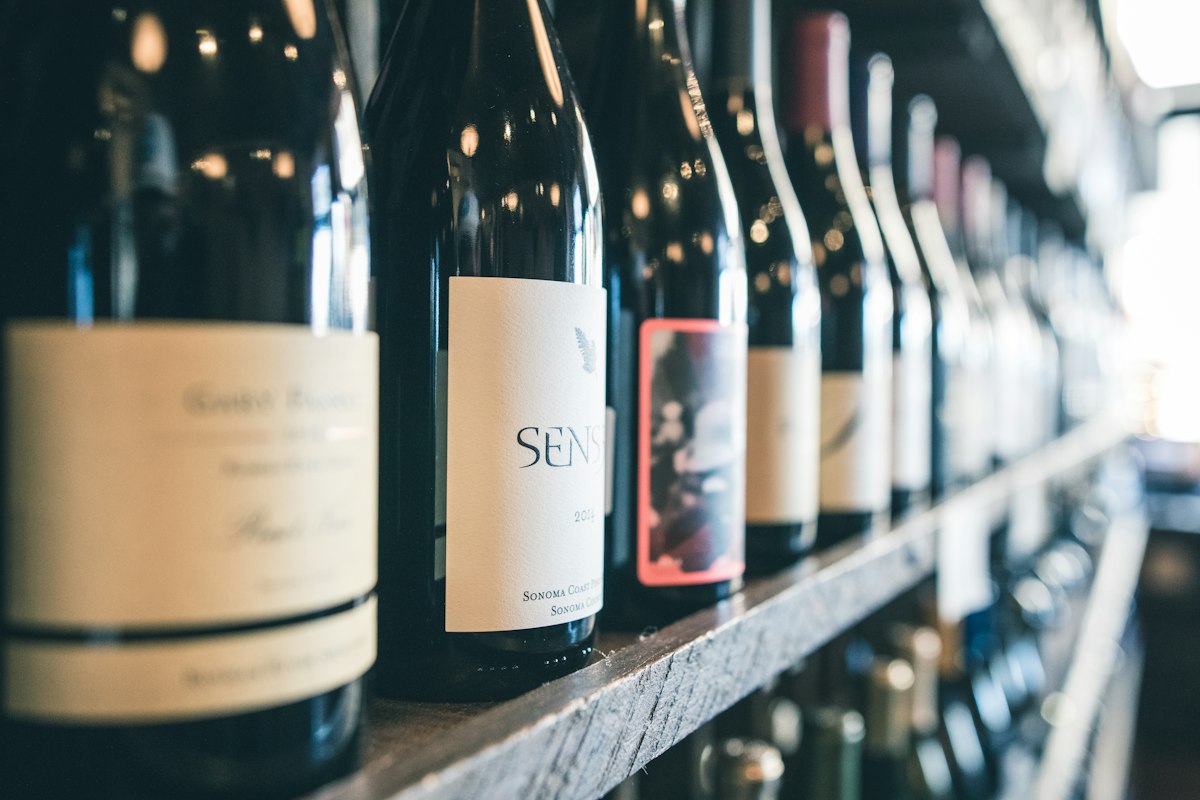
An hour’s drive from Cape Town, the Winelands are one of South Africa’s great pleasures — and one of its best-kept secrets among international visitors who somehow fail to notice that world-class wine country exists within commuting distance of the city. Stellenbosch has the better variety of estates and restaurants; Franschhoek has the better main street and the more atmospheric setting, tucked at the end of a valley surrounded by mountains.
I hired a bicycle in Franschhoek and spent a day cycling between estates, which is one of my most strongly held travel recommendations. The distances between cellars are manageable, the scenery is beautiful, and the tasting fees are negligible.
Neighbourhoods: Where Cape Town Lives
De Waterkant and the V&A Waterfront are where tourists congregate; they are pleasant enough but not where you find the real city. Woodstock, a formerly industrial area now full of design studios, coffee shops and the Old Biscuit Mill market, is where creative Cape Town has settled. The Bo-Kaap, with its brightly painted houses climbing the slope of Signal Hill, is one of the most photogenic streets in Africa and home to Cape Town’s Cape Malay community. Observatory, slightly further out, has a university town energy and excellent cheap restaurants.
Food and Restaurants
Cape Town punches significantly above its weight as a food city. The combination of excellent local ingredients — fish from the cold Atlantic, lamb from the Karoo, fruit and vegetables from the Winelands — and a generation of talented, internationally trained chefs has produced a restaurant scene that competes with any in the world. I ate memorably at a fish restaurant on the V&A, a small Cape Malay restaurant in the Bo-Kaap serving bobotie and pickled fish, and a farm-to-table bistro in Stellenbosch that sourced everything from the estate’s garden.
The braai culture is real and should be experienced: an afternoon of grilled meat and boerewors sausage with locals is one of the great Cape Town social rituals.
Safety and Practical Considerations
Cape Town has a significant crime problem in certain areas, and this should be acknowledged honestly. The city centre, the Atlantic Seaboard, the Winelands and the tourist-facing neighbourhoods are generally safe; the Cape Flats townships are not areas for casual exploration. Use Uber rather than walking at night in unfamiliar areas, be sensible about leaving valuables visible in rental cars, and ask your accommodation for current advice on which areas to avoid. None of this should put you off — millions of visitors travel safely each year — but it warrants awareness rather than wilful ignorance.
Practical Tips
- Rent a car — public transport is limited and the peninsula is too spread out to explore without one.
- Best time to visit: November to February (Southern Hemisphere summer) for beach weather; April to June for the Winelands harvest.
- The South African rand is weak against major currencies, making Cape Town excellent value for international visitors.
- Book the cable car ticket in advance online to avoid queues on clear days.
Planning more of Africa? Read our guide to the 10 best safari destinations in Africa — Cape Town pairs perfectly with a safari in the Kruger or Botswana.