
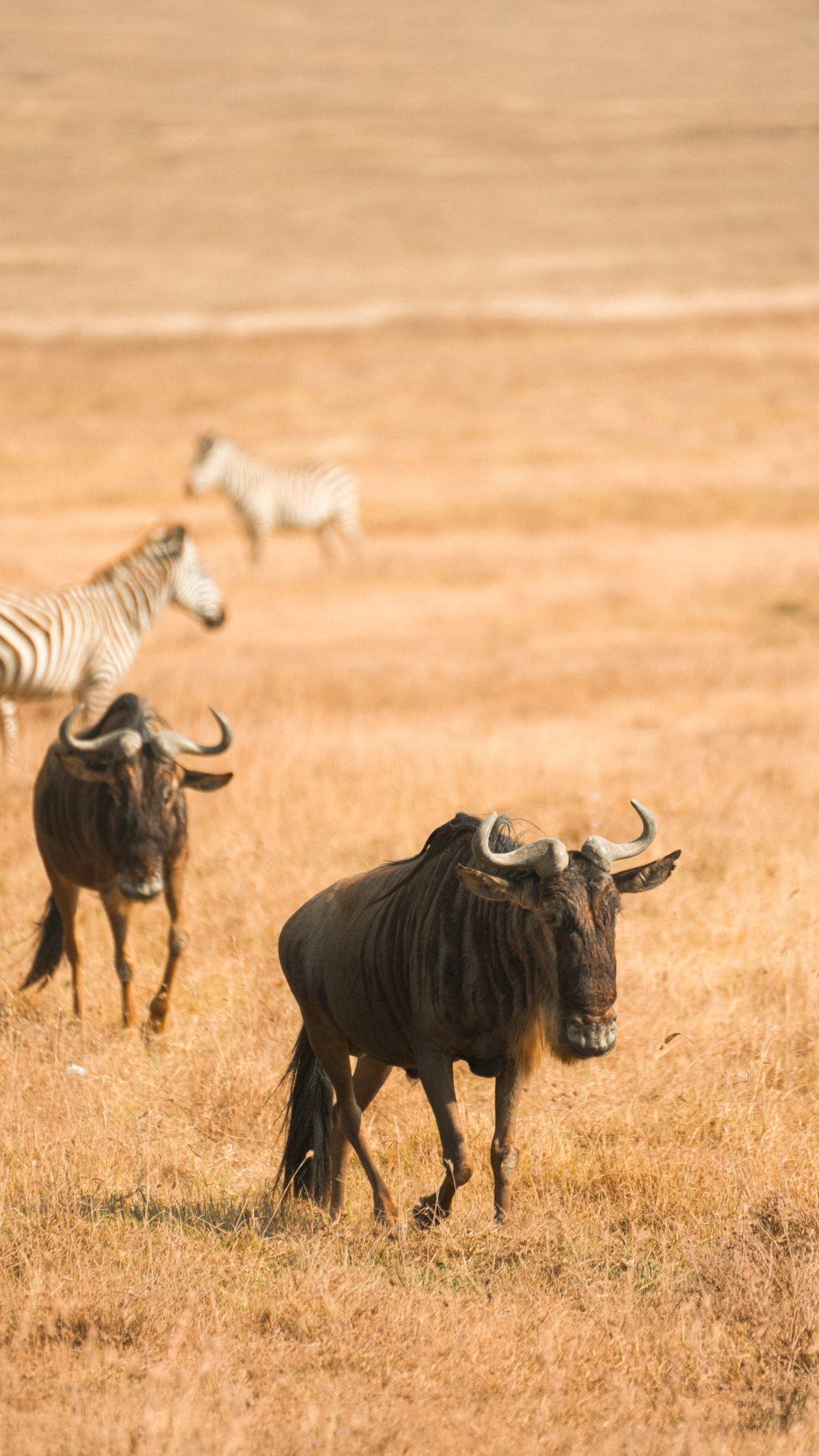
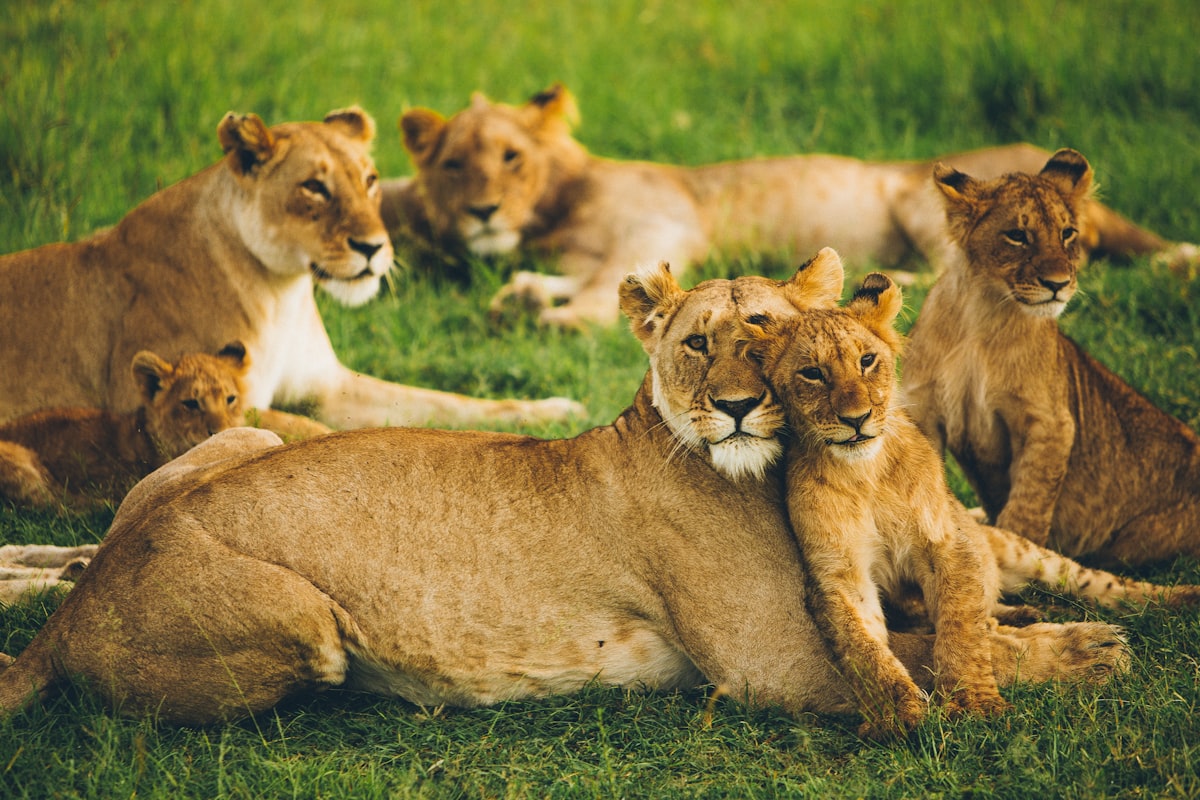
I still remember the exact moment it hit me. We were parked on a dusty ridge in the Masai Mara, engine off, binoculars down, when a lioness emerged from the golden grass not thirty metres away. She glanced at our jeep with complete indifference, yawned — actually yawned — and padded past us like we were furniture. That was my third day in Africa. By the end of three weeks on the continent, I understood why people come back here again and again, unable to shake the feeling that this is where something essential lives.
If you are wondering where to go on an African safari, the honest answer is: it depends on what you want to witness. After visiting seven countries across the continent, here are the ten destinations that genuinely stopped me in my tracks.
1. Masai Mara, Kenya
There is a reason the Masai Mara tops nearly every safari bucket list, and having spent ten days here across two visits, I can confirm the reputation is earned. The sheer density of wildlife is staggering. On my first full game drive I counted lions, elephants, cheetahs, hyenas, hippos and roughly ten thousand wildebeest — all before lunch.
The Great Migration, which runs roughly from July to October, is one of those travel experiences that genuinely defies photography. Watching hundreds of thousands of wildebeest thunder across the Mara River while crocodiles thrash below is chaotic, brutal and utterly magnificent. Book a camp well in advance if you plan to visit during peak migration season — the good spots fill up eighteen months out.
Best time to visit: July to October for the migration; January to March for big cat sightings and fewer crowds.
2. Serengeti National Park, Tanzania
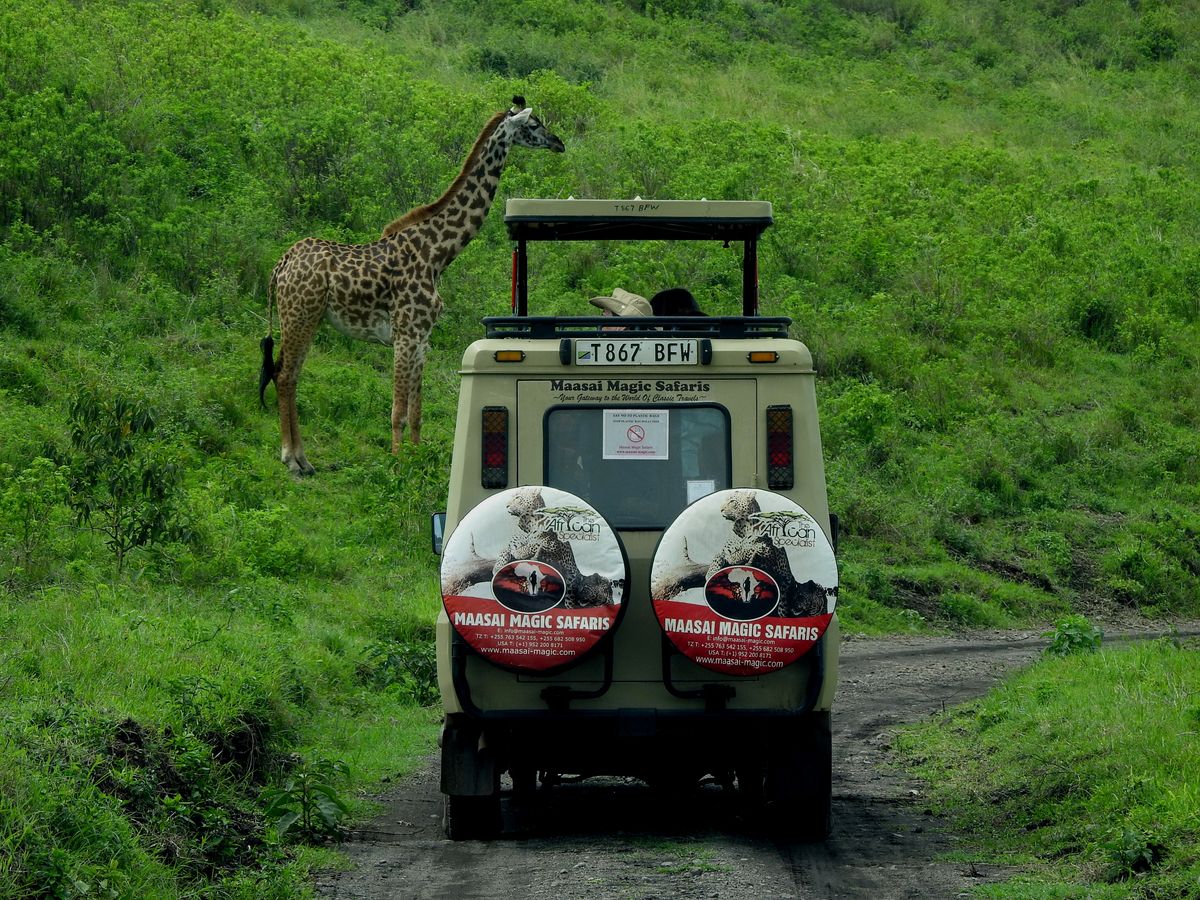
The Serengeti is the Masai Mara’s southern cousin, and together they form the greatest wildlife corridor on Earth. I crossed from Kenya into Tanzania on a whim, and what greeted me on the Tanzanian side was a vast, cathedral-like silence that the Mara, for all its drama, does not quite replicate.
The central Seronera region is excellent for year-round big cat action — I watched a leopard drag an impala up an acacia tree from sixty metres while drinking my morning coffee — but the real magic is the endless horizon. At sunrise, the Serengeti plain turns amber and copper, and the only sounds are distant lions and the wind through the grass. I have not found anything else in the world quite like it.
Best time to visit: June to September for dry season game viewing; December to March to witness the calving season in the south.
3. Okavango Delta, Botswana
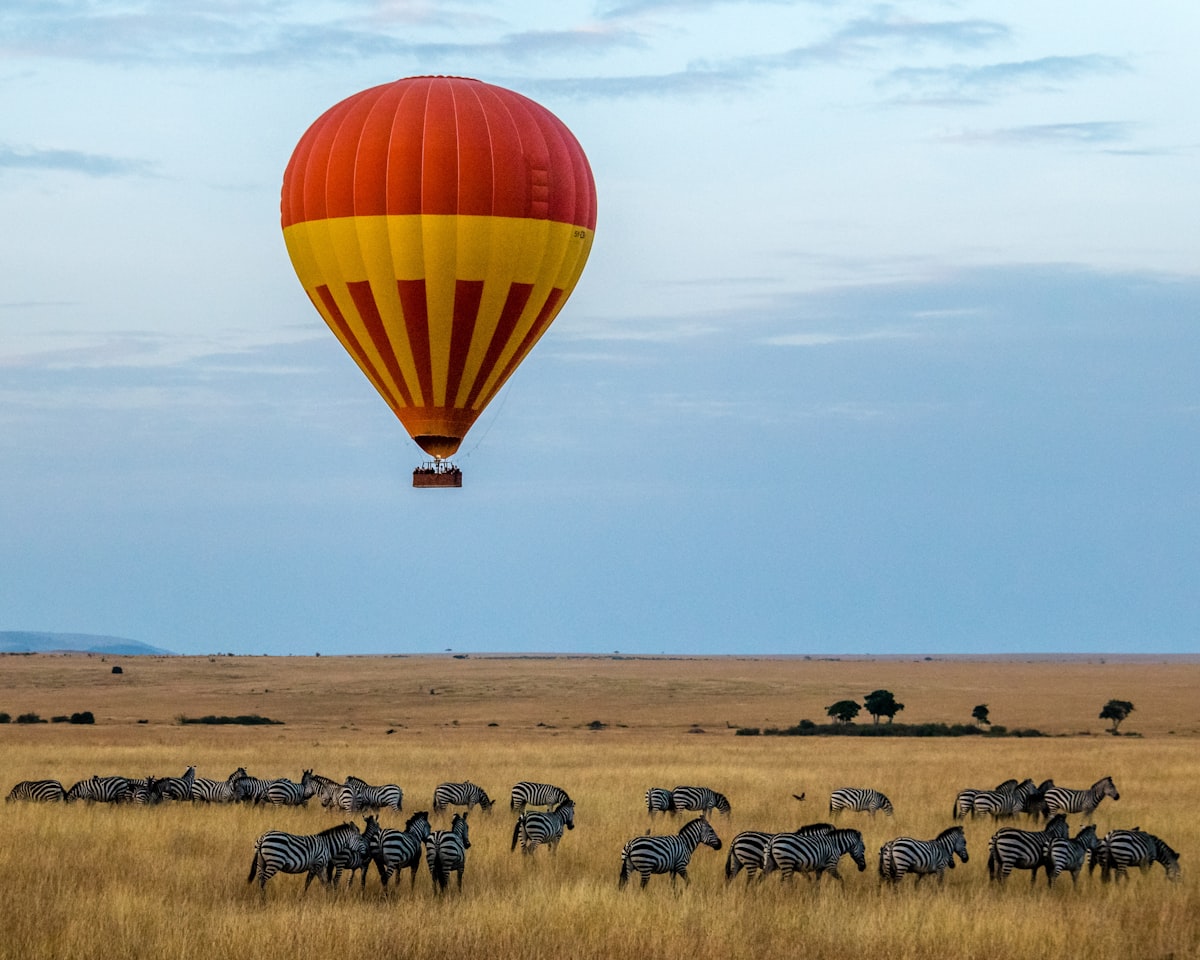
The Okavango is unlike any other safari destination I have visited. Rather than dusty plains, this is a water-world — a vast inland delta in the middle of the Kalahari Desert, where the Okavango River floods seasonally and creates a mosaic of islands, lagoons and channels teeming with wildlife.
I arrived by small charter plane, which in itself felt like something from a film, and spent four nights in a camp built over the water. Game drives here were occasionally swapped for mokoro canoe trips through papyrus-lined channels, drifting quietly past elephants drinking on the bank and pods of hippos doing their thing three metres from the hull. It felt genuinely wild in a way that even the famous East African parks sometimes do not.
Best time to visit: June to September when flood waters are highest and wildlife concentrates on islands.
4. Kruger National Park, South Africa
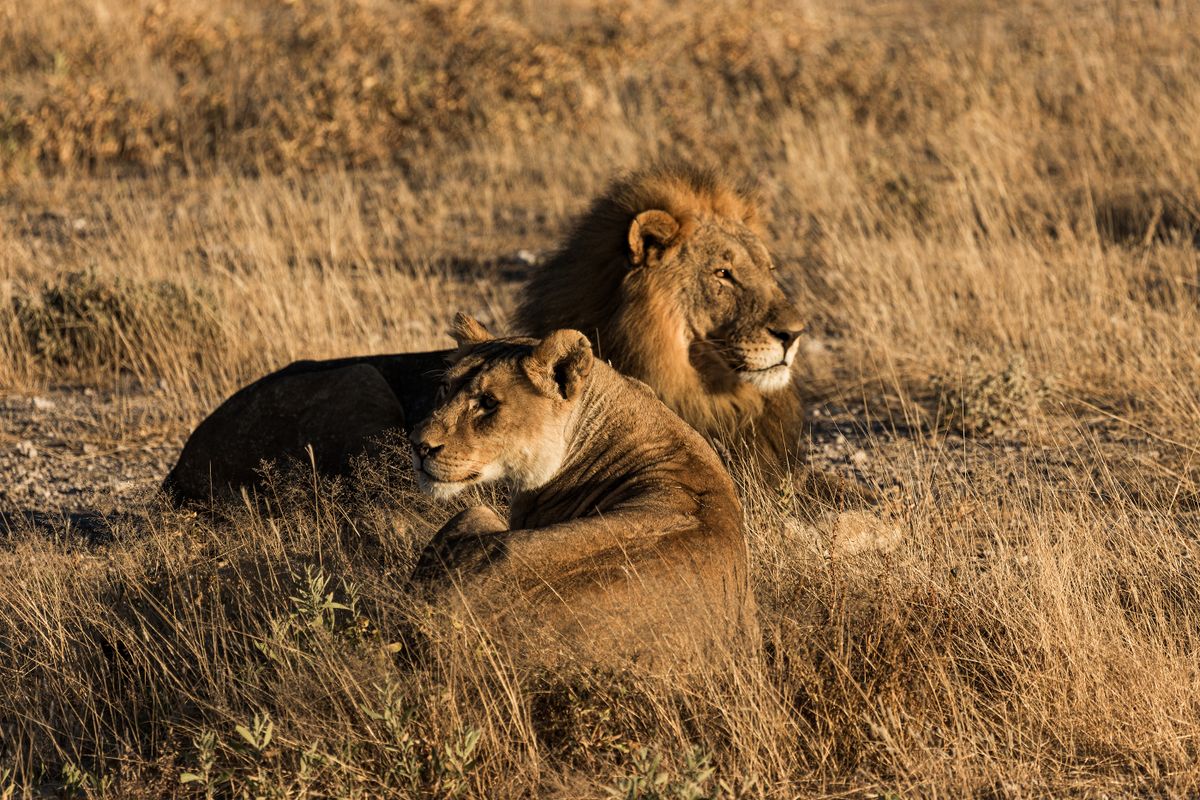
Kruger was my first ever safari, and I chose it partly because South Africa is one of the more accessible African countries for a first-time visitor and partly because a friend told me I would see the Big Five in a week. She was right — I ticked them all off by day four — but what surprised me most was how good the self-drive safari is here.
Unlike most East African reserves, Kruger allows you to drive yourself through the park in a rented car. This changes the experience significantly. You set your own pace, linger where you like, and feel a genuine sense of adventure when you round a bend and find a breeding herd of elephants blocking the road. I stayed in the park’s own rest camps, which are affordable, well-run and full of other travellers swapping sighting stories around the braai each evening.
Best time to visit: May to September for dry season when animals gather around water sources.
5. Ngorongoro Crater, Tanzania
The Ngorongoro Crater is a collapsed volcanic caldera, and the wildlife inside it is so dense it sometimes feels almost unfair. The crater walls form a natural enclosure, which means the animals — including a healthy resident population of black rhino, one of Africa’s rarest sights — rarely leave. I descended into the crater at dawn and within twenty minutes had seen rhino, lion, elephant and flamingo, all within a kilometre of each other.
The downside is that Ngorongoro is busy. The crater floor can feel crowded with safari vehicles during peak season, and the rim lodges, while spectacular, are priced accordingly. Still, nowhere else on the continent offers such a concentration of wildlife in such a compact, dramatic setting.
Best time to visit: June to September for the dry season; February is excellent for witnessing the calving season nearby.
6. Amboseli National Park, Kenya
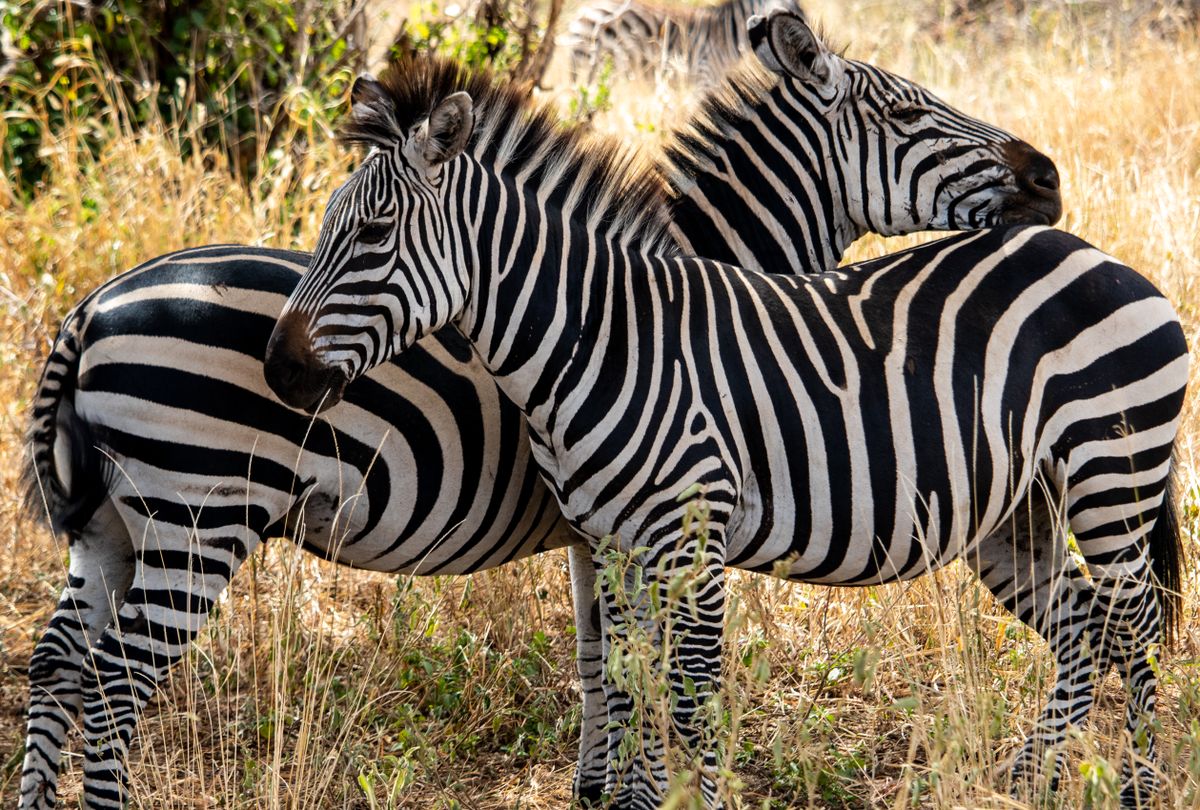
If I had to choose one image that encapsulates why I travel to Africa, it would be from Amboseli: a herd of elephants moving in slow procession across a dusty plain, with Kilimanjaro’s snow-capped summit hanging impossibly large behind them. It is an almost absurdly cinematic view, and it is real.
Amboseli is famous for its large elephant herds and its remarkable proximity to Kilimanjaro. The park itself is relatively small, which means game drives feel intimate. I spent an afternoon watching a family group of fifteen elephants at a waterhole for three hours and never once felt the urge to move on.
Best time to visit: June to October and January to February for the clearest views of Kilimanjaro.
7. Chobe National Park, Botswana
Chobe has the highest concentration of elephants on Earth, and you feel it the moment you arrive. The Chobe River front is extraordinary — at sunset, thousands of elephants, buffalo and antelope converge on the water simultaneously, and you can watch it all from a boat drifting quietly downstream.
The boat safaris here are genuinely one of the best wildlife experiences I have had anywhere on the continent. Sitting at water level as a bull elephant splashes past the bow is humbling in a way that a jeep safari cannot quite replicate. I combined Chobe with the Okavango Delta on a ten-day Botswana itinerary and it made for an exceptional trip.
Best time to visit: May to October when the dry season drives animals to the Chobe River.
8. Bwindi Impenetrable Forest, Uganda
I almost did not come here. Gorilla trekking felt expensive, physically demanding and somehow removed from the classic safari experience I had come to love. I was wrong on every count. Trekking through Bwindi’s dense jungle for three hours before emerging into a clearing and finding yourself five metres from a family of mountain gorillas is the single most affecting wildlife encounter of my life.
The silverback of our group sat against a tree trunk eating leaves with the studied calm of someone who has nothing to prove to anyone, while juveniles tumbled around him in the undergrowth. We had one hour with them. I spent most of it not taking photographs, just watching. The permit is expensive — around — but in terms of pure emotional impact per dollar, it is the best money I have ever spent on travel.
Best time to visit: June to August and December to February (dry seasons make trekking easier).
9. Etosha National Park, Namibia
Etosha operates differently from most African parks, and I mean that as a compliment. The park is centred on a vast, blinding white salt pan that stretches further than the eye can follow, and the waterholes around its edges become theatrical stages as animals arrive and depart throughout the day and night.
Most of the camps have floodlit waterholes, meaning you can watch rhino, lion and elephant arrive to drink at midnight from the comfort of a chair with a drink in your hand. It is the most civilised form of game viewing I have encountered, and somehow no less thrilling for it. Namibia as a country is also staggeringly beautiful — the dunes of Sossusvlei, the Skeleton Coast, the colonial architecture of Luderitz — and Etosha fits perfectly into a broader Namibia road trip.
Best time to visit: May to October when animals concentrate around the waterholes.
10. Cape Town & Surroundings, South Africa
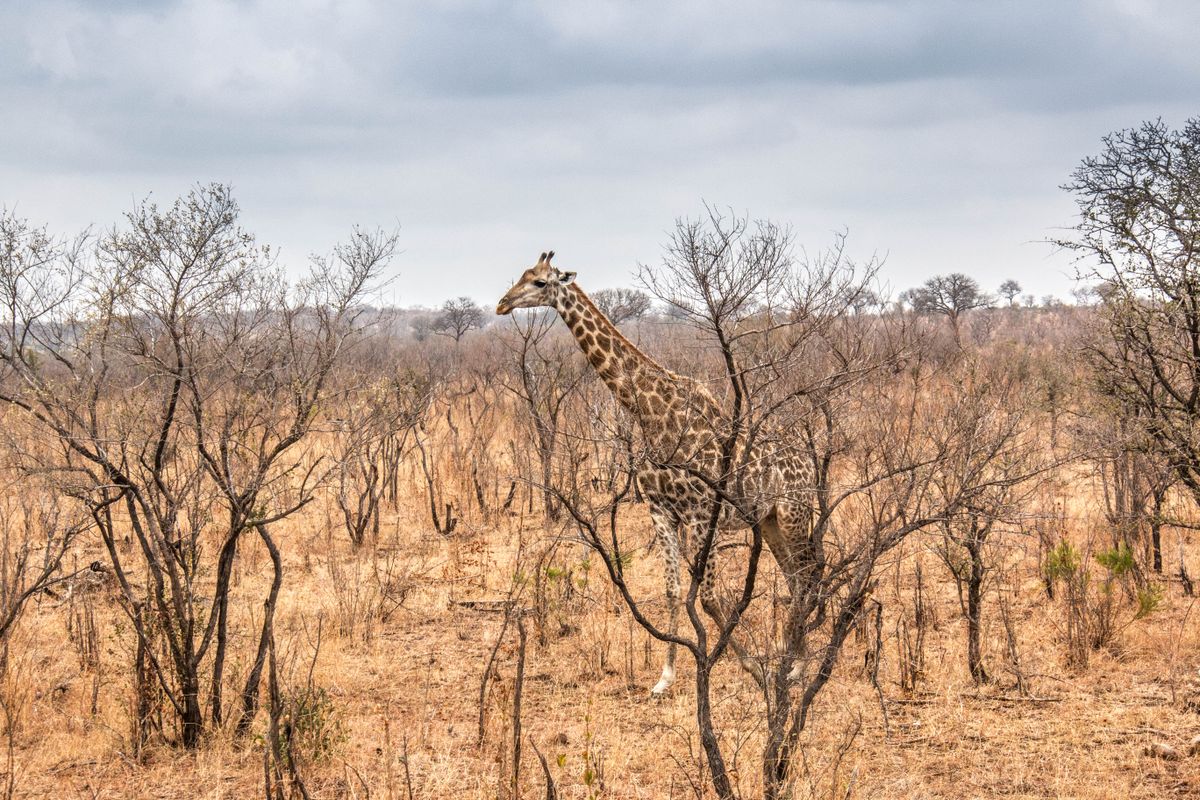
Cape Town is not a safari destination in the traditional sense, but it deserves a place on this list because it is simply one of the most beautiful cities on Earth, and because the surrounding Western Cape offers extraordinary wildlife experiences of its own. Whale watching along the coast at Hermanus is world-class. The penguin colony at Boulders Beach is genuinely delightful. And a day trip to Aquila Private Reserve gives you a genuine Big Five safari within two hours of the city centre.
I ended my Africa trip in Cape Town and spent a week barely believing the views from Table Mountain, the wine farms of Stellenbosch and the long empty beaches of the Peninsula. If you are combining a safari with a city break, there is nowhere on the continent that does it better.
Best time to visit: November to March for warm summer weather; June to November for whale watching.
Final Thoughts
Africa has a way of recalibrating you. After three weeks on the continent — bouncing between bush camps, charter planes and dusty roads — I came home quieter and somehow lighter, carrying a clearer sense of what actually matters. The animals, obviously, are extraordinary. But it is the scale of the place, the ancient indifference of the landscape, that stays with you longest.
If you are considering your first African safari, start with Kenya or South Africa for accessibility and value. If you have already been and want to go deeper, Botswana and Uganda will change your understanding of what wild really means.
Wherever you go, go soon. These places are irreplaceable.
Planning a Southeast Asia wildlife adventure before Africa? Our guide to Tanjung Puting National Park in Borneo is another unmissable encounter with wild orangutans in their natural habitat.
Route, budget and verification notes
Last editorial review: 1 August 2026. Recheck time-sensitive details shortly before travel.
Build the route
- 1. Masai Mara, Kenya
- 2. Serengeti National Park, Tanzania
- 3. Okavango Delta, Botswana
- 4. Kruger National Park, South Africa
Use these sections as planning anchors rather than a fixed schedule. Confirm door-to-door transfer times, opening days and reservation requirements, then add recovery time after long journeys.
Budget before booking
Price the trip in four separate groups: accommodation, transport, food and paid activities. Add local transfers, baggage fees, taxes, insurance and a contingency amount. Exact prices vary by season and booking date, so this guide does not invent a single daily figure that may already be outdated.
Sources to verify
- South African Tourism for official or primary travel information.
- IATA Travel Centre for passport, visa and health-document checks.
