
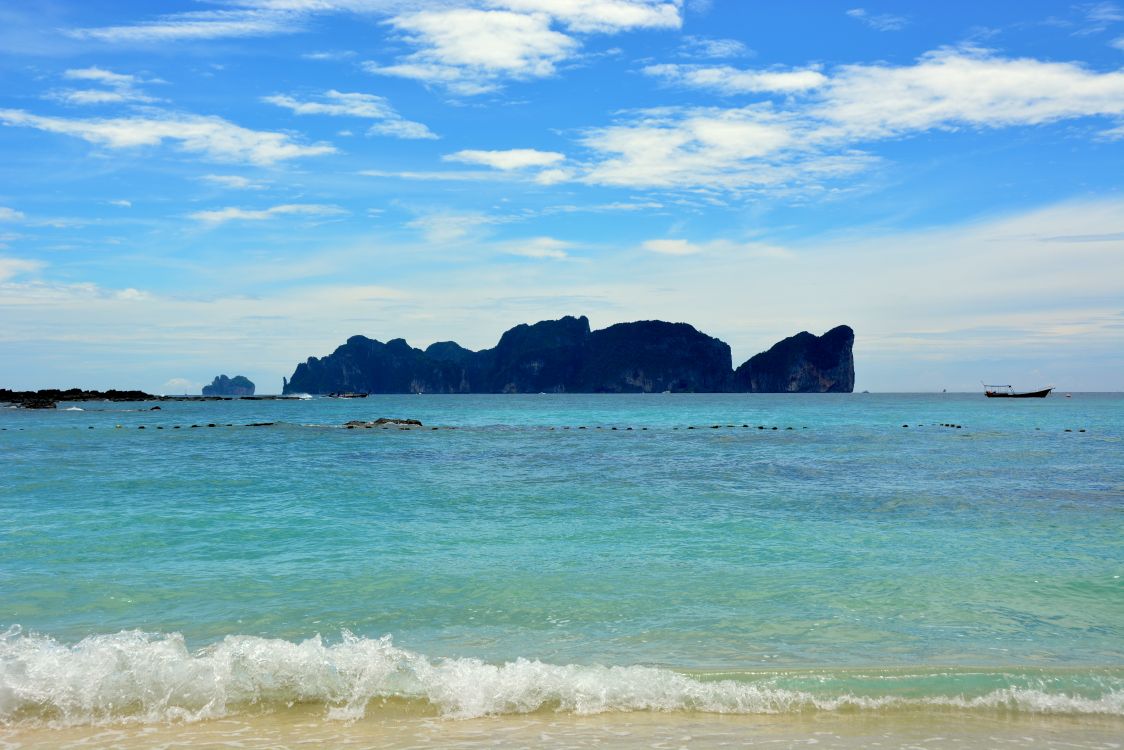
Everyone arrives at Phi Phi Don the same way: standing on the ferry deck as the island comes into view, cliffs dropping straight into water so blue it looks edited. You take the photo. You’ve already seen this photo a hundred times. And yet — somehow — the real thing still takes your breath away.
That’s the thing about Phi Phi. It lives up to the hype and defies it at the same time.
I’m not going to tell you it’s a hidden gem. It isn’t. But I am going to tell you how to experience it in a way that most visitors completely miss — because they follow the same two-day itinerary everyone else follows, see the same four spots, and leave wondering if the island is overhyped.
It’s not overhyped. You just need to know how to move through it.
What the Phi Phi Islands Actually Are
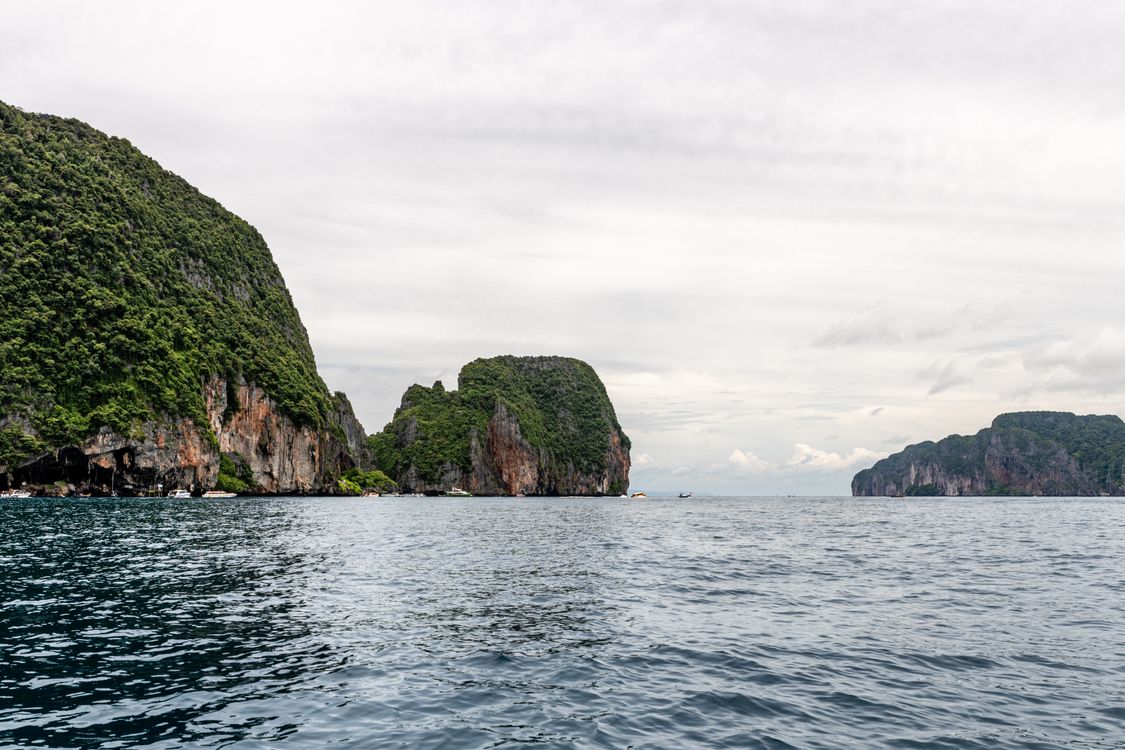
Most people say “Phi Phi” and mean one island. There are actually six. The two that matter for visitors are Phi Phi Don — the large one where everyone stays — and Phi Phi Leh, the smaller, uninhabited island where Maya Bay sits.
Phi Phi Don is shaped like a dumbbell: two hilly masses connected by a narrow strip of flat land. That strip is where the village is, where the boats dock, where every restaurant, bar, and guesthouse competes for space. It’s chaotic in the best and worst ways.
Phi Phi Leh has no accommodation, no permanent residents — just limestone cliffs, hidden lagoons, and Maya Bay. You visit on a day trip and leave before dark.
Maya Bay: The Honest Version

Yes, Maya Bay is real. Yes, it looks like the opening scene of The Beach. And yes, the coral restoration that happened during its three-year closure (2018–2022) has made a genuine difference — the water is clearer than it’s been in decades.
But here’s what the tour brochures don’t mention: between 10am and 3pm, there are sometimes fifty boats anchored outside the bay simultaneously. You’ll be walking the beach with hundreds of other people.
The way around this is simple: go early or go late. First boats arrive around 9am. If you can get into the bay before 9 or after 4pm, you’ll see a completely different place. Some private longtail operators will do sunrise trips — they’re worth every baht.
One more thing: you can no longer swim or snorkel inside Maya Bay itself. The restriction exists to protect the recovering coral. Respect it — the coral is genuinely coming back, and it would be a shame to set that back.
Where to Snorkel Around Phi Phi
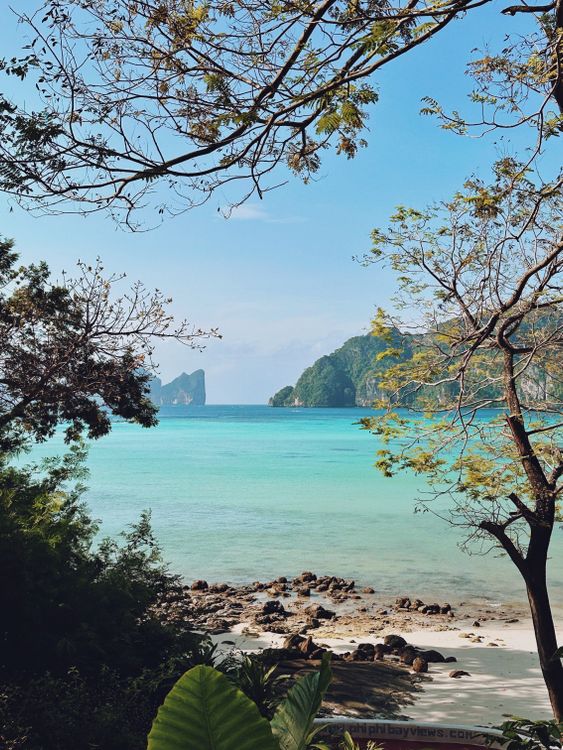
The snorkeling around Phi Phi Leh is some of the best in Thailand. Hin Klang and Hin Phae — two submerged pinnacles near the island — have visibility that can stretch beyond 15 metres on a clear day. Leopard sharks rest on the sandy bottom. Turtles show up regularly.
Most day tours skip these spots in favour of the busier, shallower areas closer to the beach. If snorkeling is your priority, book a tour that specifically includes these dive sites, or rent a longtail and ask the driver directly — they know exactly where to go.
For a broader look at the best islands in the region, our guide to the best islands in Southeast Asia covers how Phi Phi compares to similar destinations across Thailand, Indonesia, and the Philippines.
The Viewpoint You Actually Have to Climb
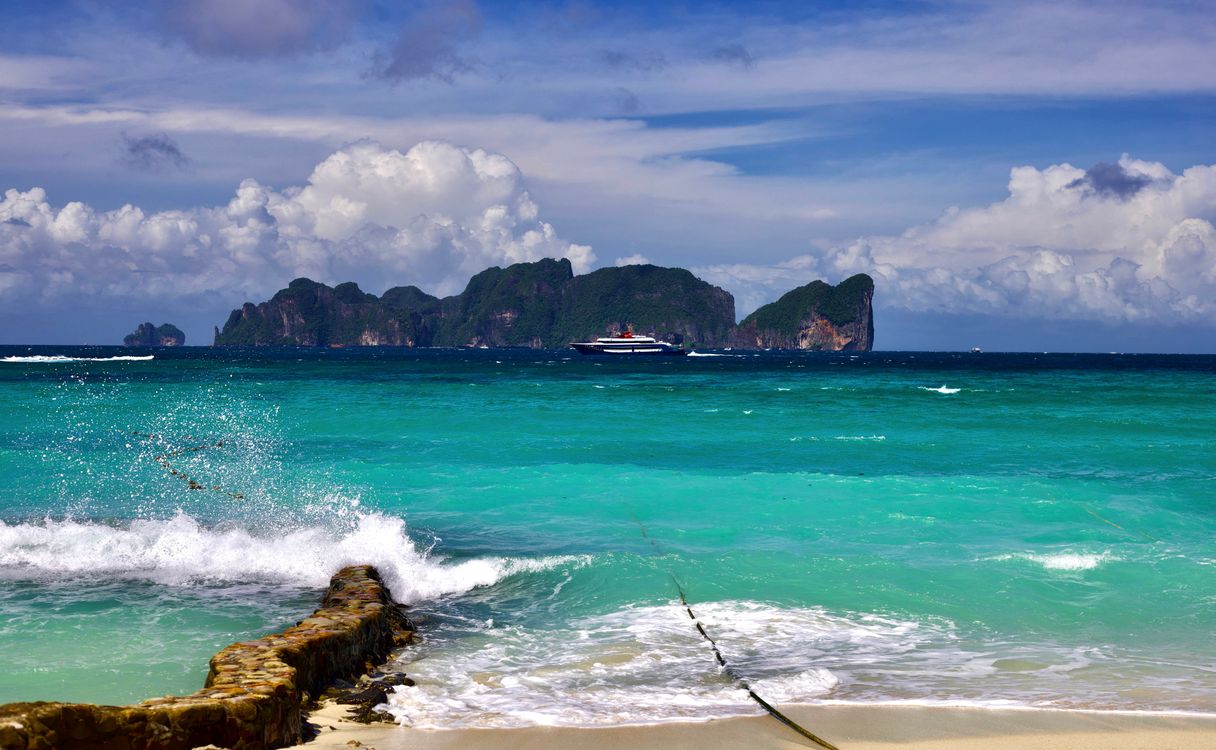
There’s a viewpoint above the village that appears on every Instagram page associated with Phi Phi. The photo shows the two bays on either side of the narrow isthmus, boats dotting the water, jungle-covered hills behind.
Getting there involves climbing roughly 300 steep steps in heat that will leave your shirt soaked. It takes about 20 minutes up.
Go at sunrise. Take water. The view at golden hour — when the light hits the water at an angle and the tourist boats haven’t yet filled the bay — is something you won’t forget.
Where to Stay on Phi Phi Don

The village (Tonsai Bay area) is noisy at night. If you want to sleep before 2am, stay somewhere else on the island. There are bungalows on Long Beach and Loh Dalum Bay that offer genuine quiet once the party boats head back.
Budget travellers should know: Phi Phi is not cheap by Thai island standards. Factor that in when comparing it to nearby alternatives like Koh Lanta (quieter, better for families) or heading toward Krabi for a night or two.
Getting to Phi Phi
Ferries run from Krabi Town (about 90 minutes), Ao Nang (90 minutes), and Phuket (roughly 2 hours). There are no cars on the island — no roads wide enough for them. Everything moves on foot or longtail.
When to Go
November to April is peak season: calm seas, clear skies, reliable snorkeling visibility. May to October brings the southwest monsoon. The absolute worst time to visit is around Thai New Year (Songkran, mid-April) — the island is at maximum capacity. Go before or after.
How Long to Stay
Two nights is the sweet spot. One day for Maya Bay and Phi Phi Leh, one day to explore Phi Phi Don at your own pace. Three nights works if you want to dive.
Final Thought
Phi Phi requires a little effort to do well. Show up with some intention — an early morning boat to Maya Bay, a longtail to the quiet beaches on the island’s east side, dinner somewhere off the main drag — and you’ll understand why people keep coming back.
For your wider Thailand itinerary, pair Phi Phi with a few days in Khao Sok National Park — a complete contrast in landscape that makes the trip feel properly rounded.
Route, budget and verification notes
Last editorial review: 1 August 2026. Recheck time-sensitive details shortly before travel.
Build the route
- What the Phi Phi Islands Actually Are
- Maya Bay: The Honest Version
- Where to Snorkel Around Phi Phi
- The Viewpoint You Actually Have to Climb
Use these sections as planning anchors rather than a fixed schedule. Confirm door-to-door transfer times, opening days and reservation requirements, then add recovery time after long journeys.
Budget before booking
Price the trip in four separate groups: accommodation, transport, food and paid activities. Add local transfers, baggage fees, taxes, insurance and a contingency amount. Exact prices vary by season and booking date, so this guide does not invent a single daily figure that may already be outdated.
Sources to verify
- IATA Travel Centre for official or primary travel information.
- IATA Travel Centre for passport, visa and health-document checks.
