
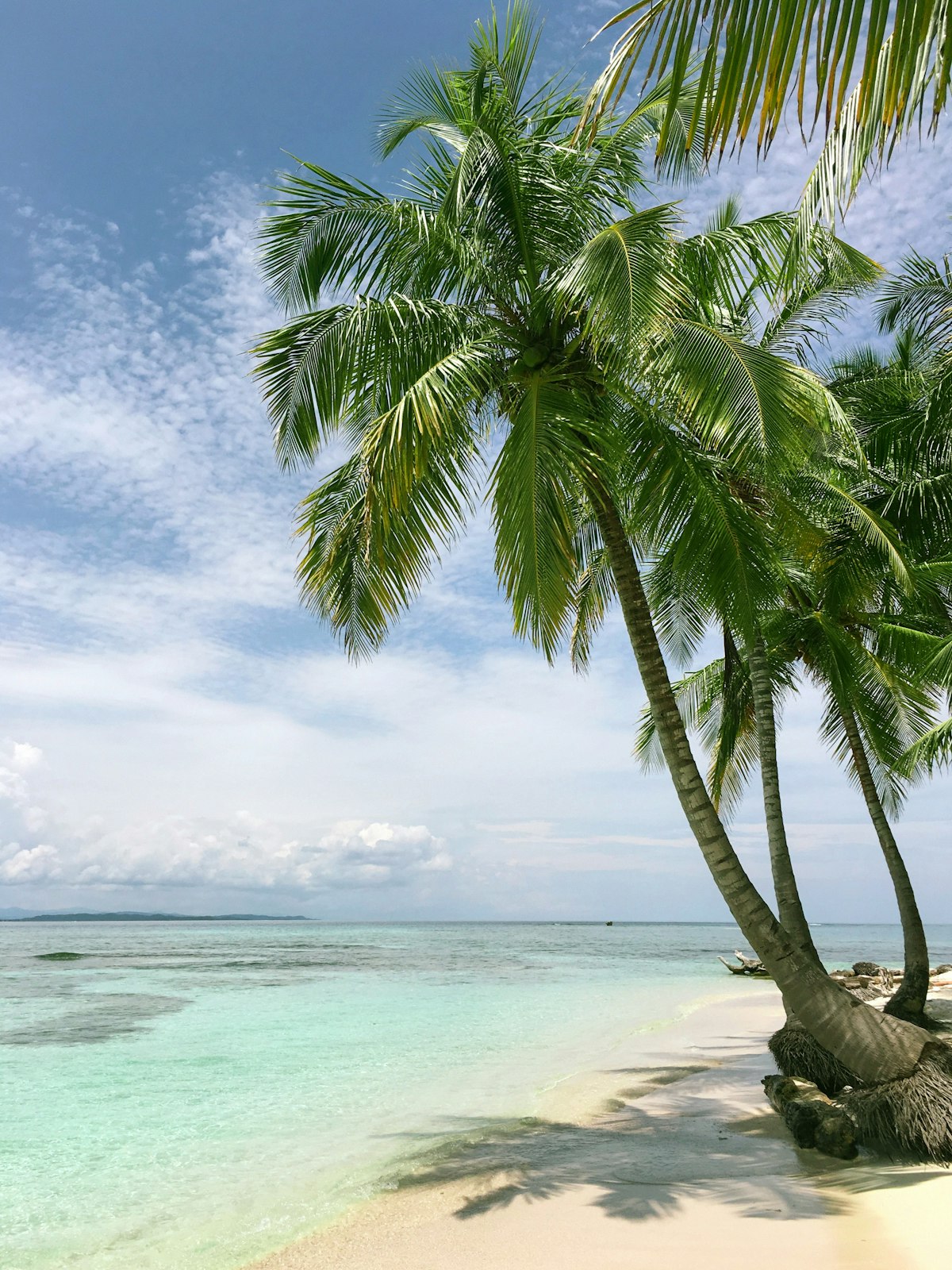
The Caribbean is not one place. It is a hundred different places that happen to share warm water and year-round sunshine. The tourist-brochure Caribbean — white sand, palm trees, rum cocktails — exists on some islands. The more interesting Caribbean — crater lakes, rainforest, street food markets, sailing routes that have barely changed in a century — exists on others. Knowing which islands offer which experience is the difference between a forgettable beach holiday and something worth talking about.
St Lucia: Volcanic Drama
”
St Lucia is dominated by the Pitons — two volcanic spires rising directly from the sea that are one of the most dramatic coastal landscapes in the Western Hemisphere. The island has a drive-in volcano (Sulphur Springs), rainforest covering the interior, and a fishing village at Soufrière that has remained largely unchanged for decades. The west coast has the calm, clear-water beaches for snorkelling; the east coast has the Atlantic surf. It is the most geographically interesting island in the Eastern Caribbean.
Dominica: The Nature Island

”
Dominica is the least-developed island in the Caribbean and the most naturally spectacular. The interior is UNESCO-listed rainforest with boiling lakes, hot springs, and waterfalls. The diving along the west coast — sea horses, frogfish, volcanic vents on the seafloor — is among the best in the region. There are no large resort hotels and almost no cruise ship crowds. Dominica attracts travellers who want hiking, diving, and a functioning local culture rather than an all-inclusive beach experience. It is the Caribbean as it was before mass tourism arrived.
Barbados: Culture and Rum

”
Barbados does the tourist Caribbean well without losing its own identity. The west coast has the calm, clear-water beaches the island is famous for. The south coast has the bars and restaurants. The interior has rum distilleries — including Mount Gay, the oldest rum brand in the world — and the Garrison Historic Area, a UNESCO site with British colonial fortifications. The fish fry at Oistins on Friday nights is the best introduction to Bajan food culture: fresh flying fish, macaroni pie, and Banks beer eaten on plastic chairs while a sound system plays soca at volume.
The Grenadines: Sailing Islands

”
The Grenadines is a chain of small islands between St Vincent and Grenada — most with no airport and no roads, accessible only by boat. Tobago Cays is a protected marine park with sea turtles, white sand, and anchorages sheltered by a horseshoe reef. Bequia has the island-building tradition that produced some of the Caribbean’s finest wooden boats. Mayreau has one bar, one road, and a hillside view over the anchorage that appears in sailing photography worldwide. The standard way to see the Grenadines is a crewed or bareboat charter, but weekly ferries connect the main islands for those travelling without a boat.
Route, budget and verification notes
Last editorial review: 1 August 2026. Recheck time-sensitive details shortly before travel.
Build the route
- St Lucia: Volcanic Drama
- Dominica: The Nature Island
- Barbados: Culture and Rum
- The Grenadines: Sailing Islands
Use these sections as planning anchors rather than a fixed schedule. Confirm door-to-door transfer times, opening days and reservation requirements, then add recovery time after long journeys.
Budget before booking
Price the trip in four separate groups: accommodation, transport, food and paid activities. Add local transfers, baggage fees, taxes, insurance and a contingency amount. Exact prices vary by season and booking date, so this guide does not invent a single daily figure that may already be outdated.
Sources to verify
- IATA Travel Centre for official or primary travel information.
- IATA Travel Centre for passport, visa and health-document checks.
