
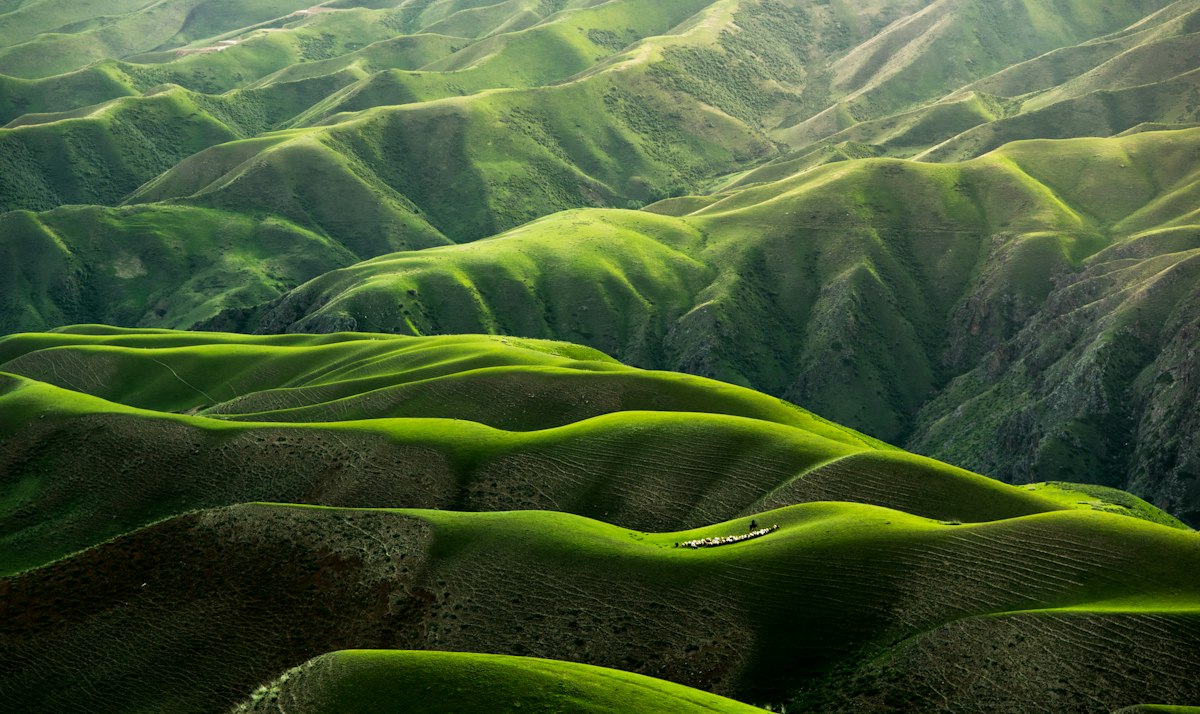
Patagonia sits at the far end of the world, and it feels like it. The wind is relentless, the weather changes every fifteen minutes, and the landscape operates at a scale that makes everything else feel small. The hiking here — in both Chilean Torres del Paine and Argentine Los Glaciares — is among the most dramatic on Earth. It is also more accessible than most people assume.
Torres del Paine: The W Trek

”
The W Trek is the classic Patagonia route: a four to five day circuit connecting the three main viewpoints of Torres del Paine National Park. The trail gets its name from the W shape it traces across the map. The highlights are the base of the Torres granite towers at dawn, the Valle del Francés with its hanging glaciers and condors, and the Grey Glacier viewpoint at the western end. Most hikers do the W from east to west or west to east, staying in the park’s refugios or camping along the trail.
The Full O Circuit

”
The O Circuit adds the backside of the park to the W, turning it into a seven to nine day loop. The backside sees far fewer people and passes through wilder, less maintained terrain. The reward is solitude and a perspective on the Paine Massif that most visitors never see. The back section is genuinely remote — there are fewer refugios, the trails are rougher, and the weather on the exposed western side is more severe.
Fitz Roy in Argentine Patagonia

”
On the Argentine side, the town of El Chaltén is the trailhead for hikes to Mount Fitz Roy and Cerro Torre. The Laguna de los Tres hike — four to five hours each way — ends at a glacial lake directly below the jagged Fitz Roy massif. On a clear day it is one of the most photographed mountain views in the world. El Chaltén has no entry fees, the trails are well-marked, and there is no permit system — you simply walk in from town.
When to Go and What to Expect

”
November through March is the Patagonian summer and the main hiking season. January and February are the busiest months; November and March offer better availability at refugios and marginally calmer weather. Pack for every condition regardless of forecast — sun, rain, hail, and 100km/h gusts can arrive in the same afternoon. Layers, waterproof gear, and poles are not optional.
Route, budget and verification notes
Last editorial review: 1 August 2026. Recheck time-sensitive details shortly before travel.
Build the route
- Torres del Paine: The W Trek
- The Full O Circuit
- Fitz Roy in Argentine Patagonia
- When to Go and What to Expect
Use these sections as planning anchors rather than a fixed schedule. Confirm door-to-door transfer times, opening days and reservation requirements, then add recovery time after long journeys.
Budget before booking
Price the trip in four separate groups: accommodation, transport, food and paid activities. Add local transfers, baggage fees, taxes, insurance and a contingency amount. Exact prices vary by season and booking date, so this guide does not invent a single daily figure that may already be outdated.
Sources to verify
- IATA Travel Centre for official or primary travel information.
- IATA Travel Centre for passport, visa and health-document checks.
