
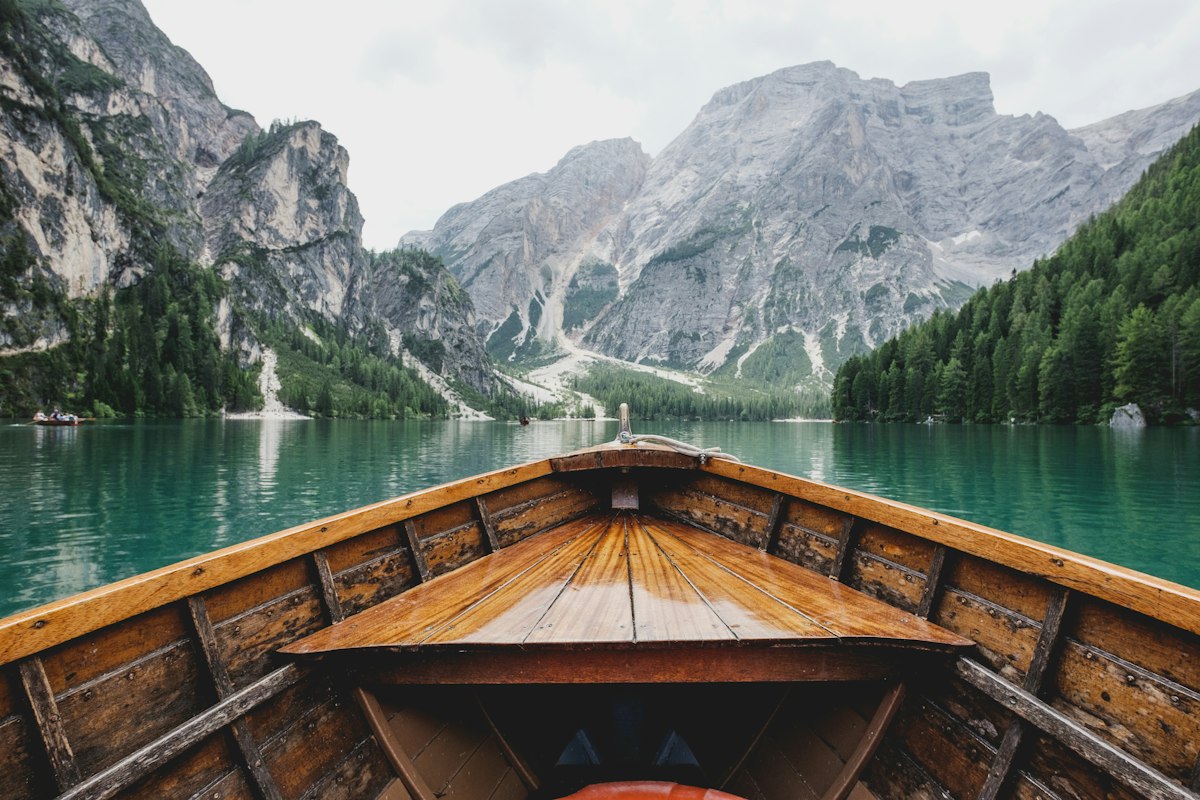
The Faroe Islands versus Iceland comparison comes up constantly in travel planning circles and the two destinations are genuinely different in ways that make the choice more meaningful than it might initially appear. Both are North Atlantic island groups with dramatic landscapes, limited tourist infrastructure, and prices that suggest the locals have not fully registered that tourism is now a major industry. Beyond those surface similarities, the experiences diverge significantly.
I have spent three weeks in Iceland over two trips and four days in the Faroe Islands. The Faroe Islands were the bigger surprise.
Scale and Accessibility: Iceland Wins on Infrastructure
Iceland has a well-developed tourism infrastructure built over twenty years of rapid growth. The Ring Road is paved, the F-roads require a 4WD but are signed and mapped, and the country has accommodation and services distributed across the entire island. You can plan a two-week trip to Iceland with reasonable confidence that the logistics will work.
The Faroe Islands have eighteen islands connected by a system of tunnels, ferries, and mountain roads, covering a total area roughly the size of a medium-sized English county. The entire archipelago has about 55,000 inhabitants. Infrastructure exists but it is the infrastructure of a small community rather than a tourism machine. Getting between islands requires planning and occasionally patience when weather closes roads or ferries.
Landscape: Faroe Islands Are More Concentrated
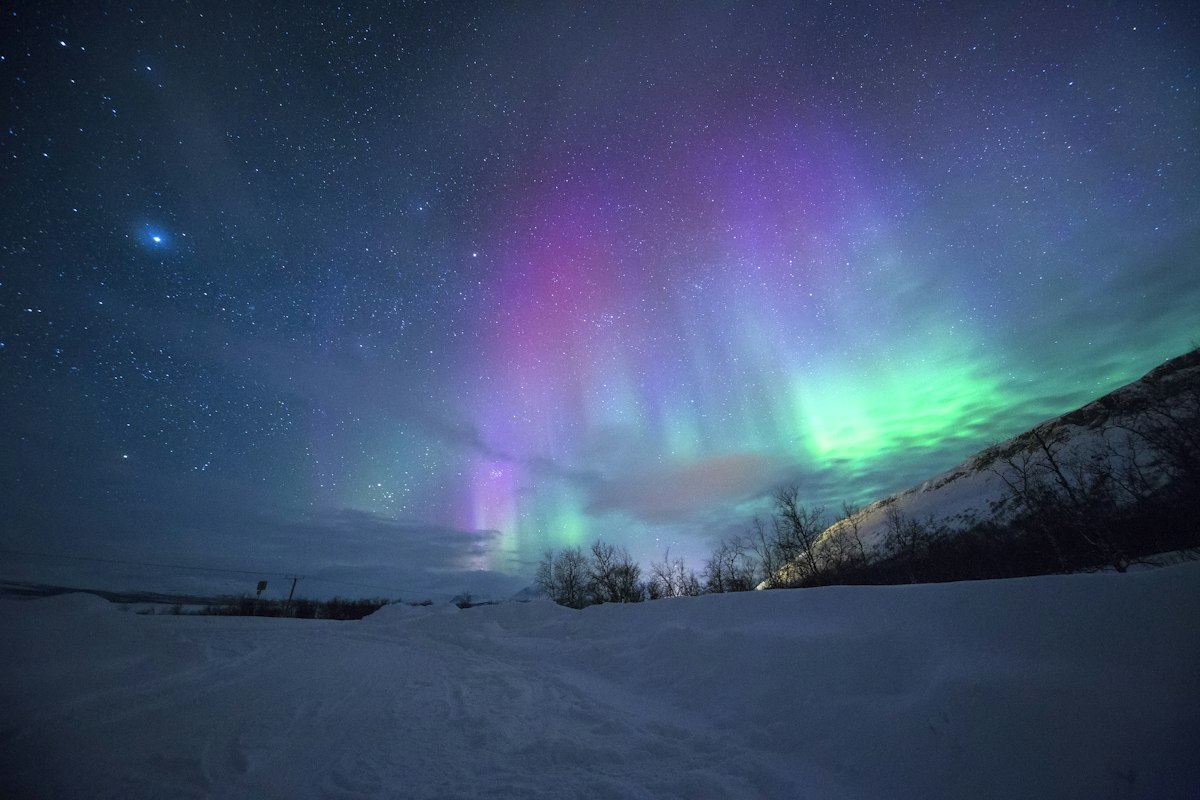
Iceland is vast and the landscape is correspondingly spread out. You drive for hours between significant sights, and the Ring Road is 1300 kilometres of varying scenery with extraordinary moments punctuating long stretches of lava field and farmland. The scale is part of the point but it also means Iceland requires time to do properly.
The Faroe Islands concentrate their landscape into a much smaller area. Every drive is dramatic. The villages of Saksun and Gasadalur look like illustrations from a book of Norse mythology. The cliffs at Enniberg are among the highest sea cliffs in the world. The lake at Sorvagsvatn appears to sit above the ocean due to a visual trick of perspective that photographs have made famous. All of this is within an hour of each other.
The People: Faroe Islands Feel More Genuine
Iceland receives around two million visitors per year. The tourism industry is the dominant economic force and the locals have adapted to it accordingly: professional, efficient, and somewhat distant in the way that any community becomes when it is outnumbered by visitors for several months of the year.
The Faroe Islands receive around 150,000 visitors annually. The interactions with locals feel more genuine because the locals have not had to professionalise their relationship with strangers. People in Torshavn stop to talk without it being a performance. The bartender at the guesthouse asks where you have been and means it.
Which Should You Choose?
Choose Iceland for a first North Atlantic trip, for glacier and volcano landscapes, for more reliable logistics, and for longer stays. Choose the Faroe Islands for concentrated dramatic scenery, genuine remoteness, and an experience that still feels genuinely off the main tourist circuit. The ideal is both, in different trips, because they complement each other rather than competing.
Atlantic Airways flies to the Faroe Islands from Copenhagen, London, and a handful of other European cities. The Faroe Islands are technically a Danish territory, which is why the comparison with Denmark as a base makes practical sense: a trip that combines Copenhagen with the Faroes covers a remarkable range of experience within a single itinerary.
Route, budget and verification notes
Last editorial review: 1 August 2026. Recheck time-sensitive details shortly before travel.
Build the route
- Scale and Accessibility: Iceland Wins on Infrastructure
- Landscape: Faroe Islands Are More Concentrated
- The People: Faroe Islands Feel More Genuine
- Which Should You Choose?
Use these sections as planning anchors rather than a fixed schedule. Confirm door-to-door transfer times, opening days and reservation requirements, then add recovery time after long journeys.
Budget before booking
Price the trip in four separate groups: accommodation, transport, food and paid activities. Add local transfers, baggage fees, taxes, insurance and a contingency amount. Exact prices vary by season and booking date, so this guide does not invent a single daily figure that may already be outdated.
Sources to verify
- VisitDenmark for official or primary travel information.
- IATA Travel Centre for passport, visa and health-document checks.
