
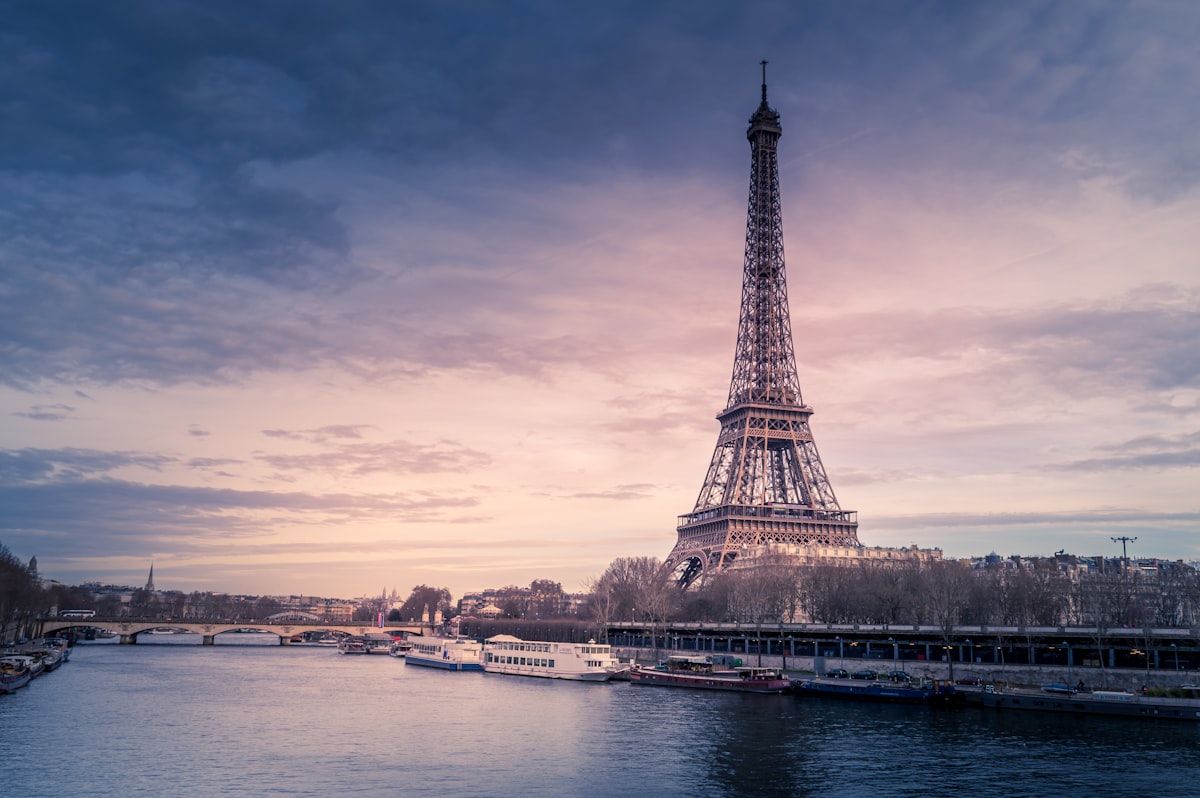
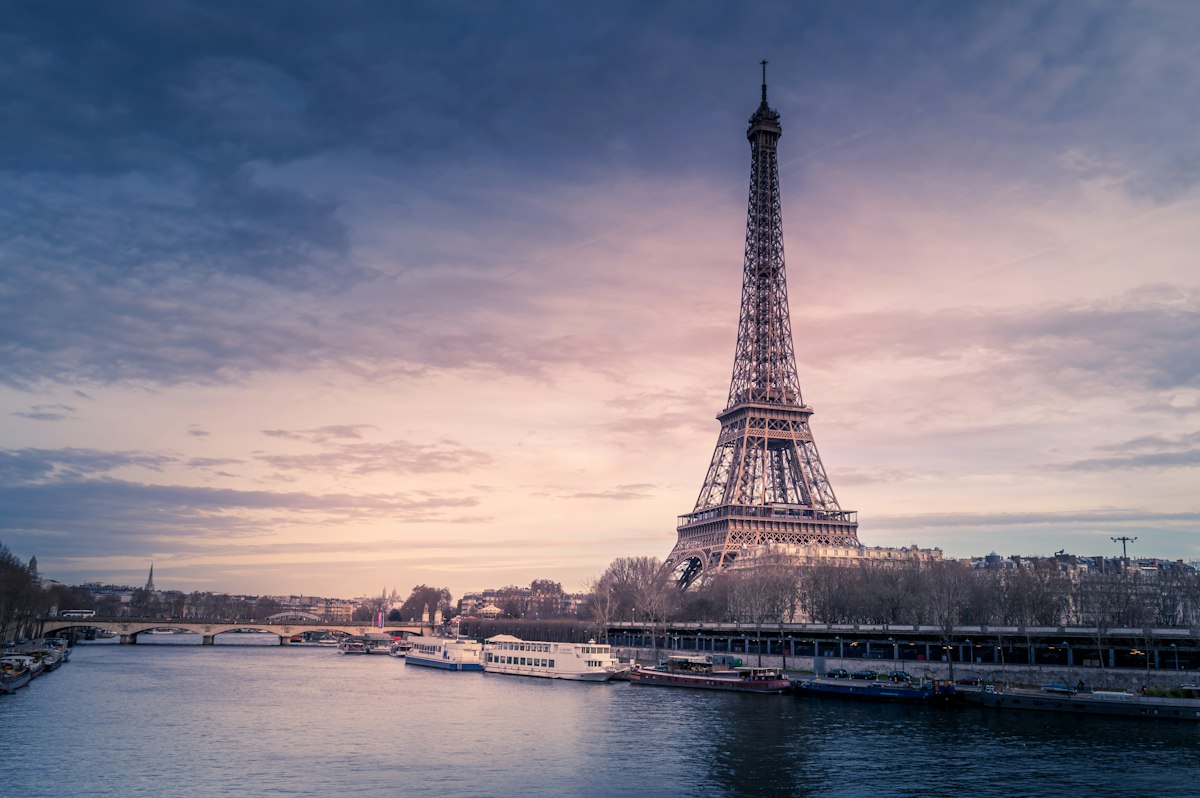
I have been to Paris seven times. The first time I queued for the Louvre at 9am with everyone else, ate a disappointing croque monsieur near Notre Dame, and wondered what all the fuss was about. The sixth time I understood: Paris rewards people who stop trying to see it and start trying to live in it, even briefly. These are the fifteen things that actually make Paris worth every cliché ever written about it.
1. Walk the Covered Passages

”
Paris has about twenty covered shopping arcades built in the early 19th century, before Haussmann’s boulevards arrived. Most tourists have never heard of them. The Galerie Vivienne near the Palais Royal has mosaic floors, gas-lamp style lighting, and a wine merchant that has been there since 1826. The Passage des Panoramas is the oldest, slightly more chaotic, full of stamp dealers and a handful of excellent bistros. Walking through them on a rainy afternoon is one of the most genuinely Parisian experiences available for free.
2. Climb Montmartre Before 8am

”
Montmartre at midday is a tourist trap. Montmartre at 7am is a village. The boulangeries are pulling trays from the ovens, the only people on the steps of Sacré-Coeur are locals with coffee, and the view over Paris in the early light is unobstructed. Take the funicular up, walk the cobbled streets behind the basilica, have breakfast at a café that has no English menu outside, and leave before the tour groups arrive. You will understand why artists lived here for a century.
3. Take the RER to Versailles on a Tuesday

”
Versailles is enormous and the crowds can make it miserable. Two things make it manageable: going on a Tuesday (the gardens are less crowded mid-week) and taking the RER C from central Paris rather than any guided tour. The train costs around four euros each way. The gardens alone justify the trip — most visitors rush the palace interiors and miss the Grand Canal, the Petit Trianon, and the Queen’s Hamlet, which is one of the strangest and most beautiful places in France. Allow a full day.
4. Eat at a Zinc Bar Counter

”
The zinc counter of a traditional Parisian café is one of the great inventions of urban life. Stand at the bar — sitting costs more and takes longer — order un café and a croissant, and watch the neighbourhood come through for their morning ritual. The zinc bars in the 11th and 20th arrondissements still function as genuine locals’ institutions. Café de la Paix near the Opéra is the famous one; Café des Anges in the 11th is the one I actually go to.
5. Visit the Musée d’Orsay, Not the Louvre

”
Most first-time visitors go to the Louvre because they feel they should. The Orsay is better for almost everyone who is not specifically interested in ancient civilisations. Housed in a Beaux-Arts railway station, it holds the world’s largest collection of Impressionist and Post-Impressionist paintings: Monet, Renoir, Degas, Cézanne, Van Gogh, and Seurat. The building itself is extraordinary. Book timed entry online — the queues without booking are punishing in summer.
6. Walk the Canal Saint-Martin

”
The Canal Saint-Martin runs through the 10th arrondissement and is the Paris that Parisians actually use at weekends. Iron footbridges cross the water every few hundred metres. The canal banks have become the neighbourhood’s living room — people bring wine, cheese, and friends on Friday evenings. The streets running alongside it — Rue Beaurepaire, Rue de Marseille — have the best concentration of independent restaurants and bars in the city. Amélie was filmed here; it looks exactly like the film.
7. The Sainte-Chapelle Over Notre Dame

”
Notre Dame is under restoration and likely to be for years. Sainte-Chapelle, five minutes walk away on the Île de la Cité, is smaller and less famous but the more extraordinary building. The upper chapel has fifteen Gothic windows covering 600 square metres of stained glass — on a sunny morning the light transforms the interior into something that photographs cannot prepare you for. Book in advance; the queues form early and the building’s capacity is limited.
8. Take a Day Trip to Épernay

”
Épernay is 90 minutes by train from Paris Gare de l’Est and is the capital of Champagne production. The Avenue de Champagne — the most expensive stretch of real estate per underground square metre in the world, due to the cellars beneath it — has the tasting rooms of Moët & Chandon, Perrier-Jouët, and a dozen other houses. Most offer cellar tours that include two or three glasses. The town itself is modest but the surrounding vineyards are beautiful in autumn, and drinking Champagne at the source makes the train fare feel reasonable.
9. The Palais Royal Gardens
”
The Palais Royal is one of central Paris’s best-kept secrets from tourists, which is remarkable given that it is surrounded by some of the most visited sites in the city. The colonnaded garden is enclosed, quiet, and full of Parisians eating lunch and reading. The Daniel Buren striped columns in the courtyard are one of the most photographed art installations in France. The arcades surrounding the garden have some of the city’s best specialist shops — old coins, toy soldiers, vintage photographs, specialist books.
10. Eat in the 13th Arrondissement
”
The 13th is Paris’s Chinatown — the largest in Europe — and the best place in the city for Southeast Asian food. The Tang Frères supermarket on Avenue d’Ivry is worth visiting as a destination in itself. The streets around it have Vietnamese pho shops, Chinese dim sum restaurants, and Cambodian grocery stores that have been there since the 1970s refugee wave. It is the Paris that does not appear in any travel brochure and is completely unlike any other part of the city.
11. The Père Lachaise Cemetery
”
Père Lachaise is the most visited cemetery in the world and one of the most genuinely interesting places in Paris. Oscar Wilde, Édith Piaf, Jim Morrison, Frédéric Chopin, Marcel Proust — the list of residents reads like a who’s who of European cultural history. The cemetery is enormous (44 hectares) and the older sections feel like a small city, with elaborate mausoleums lining stone streets. Go without a map and get lost deliberately — it works better that way.
12. Seine River at Night by Vélib’
”
Paris has one of the world’s best public bicycle systems — Vélib’ — with stations every 300 metres throughout the city. Cycling along the Seine at night, when the bridges are lit and the tourist boats cast light across the water, is one of the best free experiences in Paris. The right bank between the Pont de l’Alma and the Pont de Sully has dedicated cycling infrastructure. The Vélib’ app handles payment; a day pass costs around five euros and covers unlimited 45-minute rides.
13. A Market Morning in the Marais
”
The Marché des Enfants Rouges in the 3rd arrondissement is the oldest covered market in Paris, operating since 1615. It sells Moroccan couscous, Lebanese mezze, Japanese bento, organic vegetables, and fresh flowers from stalls that have been in the same families for generations. Go on a Saturday morning, eat breakfast there, and then walk the Marais streets — the best neighbourhood in Paris for medieval architecture, contemporary art galleries, and the remnants of the historic Jewish quarter on Rue des Rosiers.
14. Climb the Arc de Triomphe, Not the Eiffel Tower
”
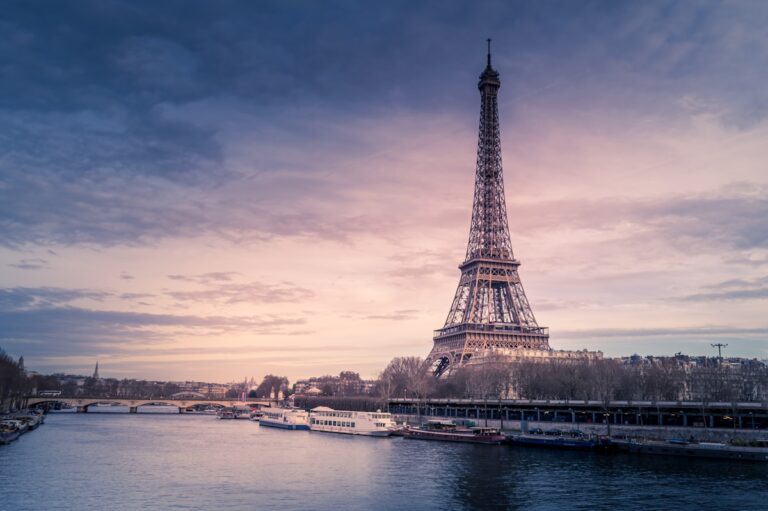
The queue for the Eiffel Tower lifts is one of the great wastes of time in European travel. The Arc de Triomphe is 500 metres away, has a shorter queue, costs less, and the view from the top — twelve avenues radiating out across Paris like spokes from a wheel — is arguably more interesting. Book online to skip the ticket queue. The tunnel under the roundabout to reach the monument entrance is the only way across; do not attempt to cross the traffic on foot.
15. The Train to Burgundy
”
The TGV from Paris Gare de Lyon reaches Dijon in 90 minutes. Burgundy is one of the world’s greatest wine regions and entirely accessible as a day trip. The Route des Grands Crus passes through villages — Gevrey-Chambertin, Vougeot, Vosne-Romanée — whose names appear on some of the most expensive bottles in the world, and the vineyards are separated from the road by a low stone wall you can step over. Tastings at domaines are often free or very cheap. The Hospices de Beaune in the town of Beaune is one of the finest Gothic buildings in France.
Practical Information
”
Paris has four main airports — CDG is the largest, Orly serves budget carriers. The Metro is the fastest way around the city; a carnet of ten tickets saves money over single fares. Most museums are free on the first Sunday of each month — the queues reflect this. Book popular sites (Eiffel Tower, Versailles, Orsay) well in advance in summer. The Paris Museum Pass covers 50 sites and pays for itself after three or four visits.