
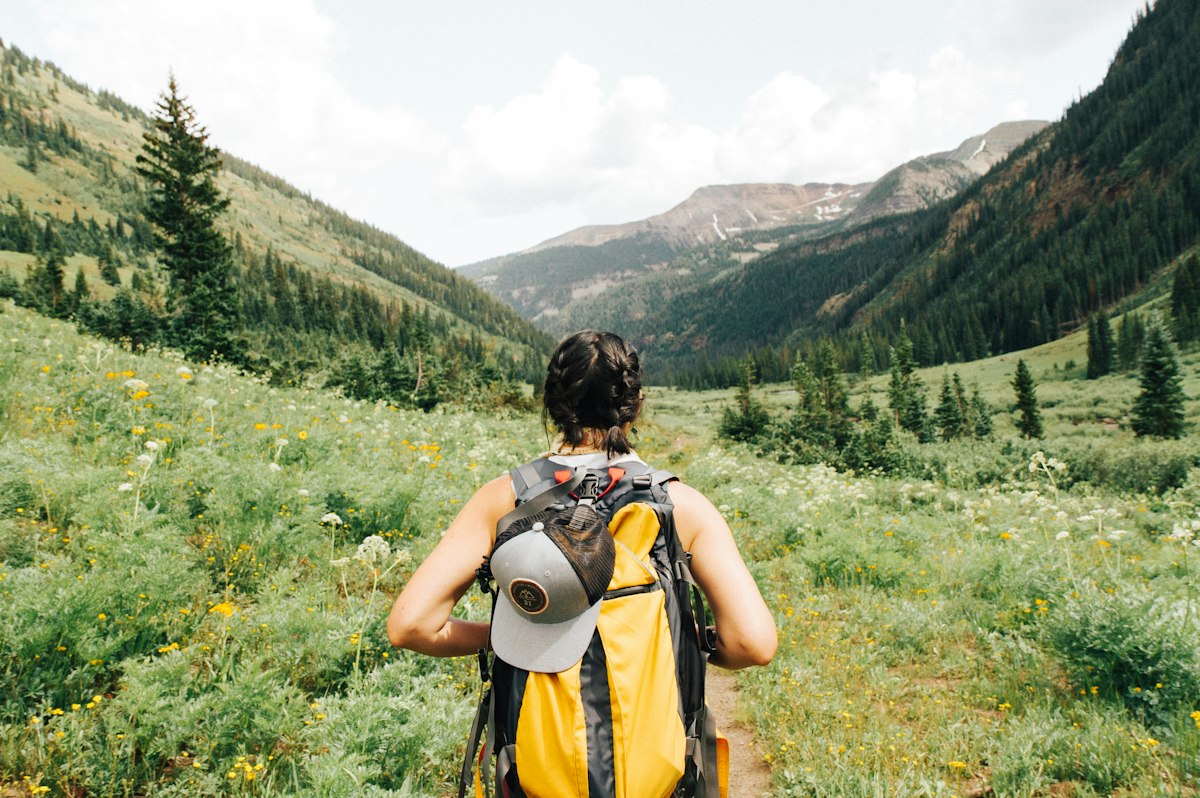
Solo travel is the most effective way to travel and also the most intimidating for first-timers. Effective because it forces a level of engagement with a place that group travel rarely produces: you make your own decisions, you talk to people you would not otherwise talk to, and the trip becomes genuinely yours rather than a compromise. Intimidating because the absence of a companion makes every difficulty feel more personal and every success feel more fragile.
The first solo trip is the hardest. After that, most people wonder why they ever travelled any other way.
Choose the Right First Destination
”
The first solo trip should not be the most ambitious thing you have ever planned. It should be somewhere with good infrastructure, a reasonably forgiving culture toward confused foreigners, and enough of a traveller presence that you can find company when you want it and solitude when you do not.
Portugal, Japan, New Zealand, Thailand, and the Netherlands all score well on these criteria. They have English widely spoken, clear signage, reliable transport, and a culture of hospitality toward travellers. The most common mistake first-time solo travellers make is choosing somewhere that requires language skills, cultural knowledge, or local connections they do not yet have. Build confidence first and tackle the more complex destinations when you have it.
Hostels Are Not What You Think

”
Hostels have a reputation built on a demographic and a decade that no longer represent what most hostels actually are. The modern hostel in a major city is often an architecturally interesting building, with private rooms available alongside dorms, a bar that functions as a social space for travellers of all ages, and staff who have usually done significant amounts of the same kind of travelling and are a genuinely useful resource.
The social infrastructure of a hostel, the common areas, the group dinners, the organised activities, solves the loneliness problem that most people identify as their main concern about solo travel. Book a bed in a dorm on the first night and you will have people to eat dinner with before the evening is over.
The Safety Reality: Less Scary Than You Think

”
Solo travel, including solo female travel, is statistically safer than most people’s risk assessment suggests. The scenarios that worry people before they go, violent crime, getting lost with no one to help, medical emergencies in remote areas, are rare and manageable. The actual risks of solo travel are more mundane: being overcharged for things, missing transport connections, and making suboptimal decisions when tired or ill.
The practical mitigation is simple: share your itinerary with someone at home, use a VPN on public wifi, keep digital copies of all documents, and trust your instincts when something feels wrong. These are not complex precautions and none of them require a companion.
The Best Part Nobody Tells You

”
The best thing about solo travel is not the freedom to do what you want, although that is real. It is the conversations. When you travel alone, people talk to you in a way they do not talk to couples or groups. The person on the train who notices you looking at a map, the bar owner who sits down to practice their English, the other solo traveller at the hostel breakfast who turns out to have been going to the same places as you for the last three weeks.
These encounters are the substance of travel in a way that organised experiences rarely are. You cannot plan for them. You can only make yourself available.
Route, budget and verification notes
Last editorial review: 1 August 2026. Recheck time-sensitive details shortly before travel.
Build the route
- Choose the Right First Destination
- Hostels Are Not What You Think
- The Safety Reality: Less Scary Than You Think
- The Best Part Nobody Tells You
Use these sections as planning anchors rather than a fixed schedule. Confirm door-to-door transfer times, opening days and reservation requirements, then add recovery time after long journeys.
Budget before booking
Price the trip in four separate groups: accommodation, transport, food and paid activities. Add local transfers, baggage fees, taxes, insurance and a contingency amount. Exact prices vary by season and booking date, so this guide does not invent a single daily figure that may already be outdated.
Sources to verify
- IATA Travel Centre for official or primary travel information.
- IATA Travel Centre for passport, visa and health-document checks.
