
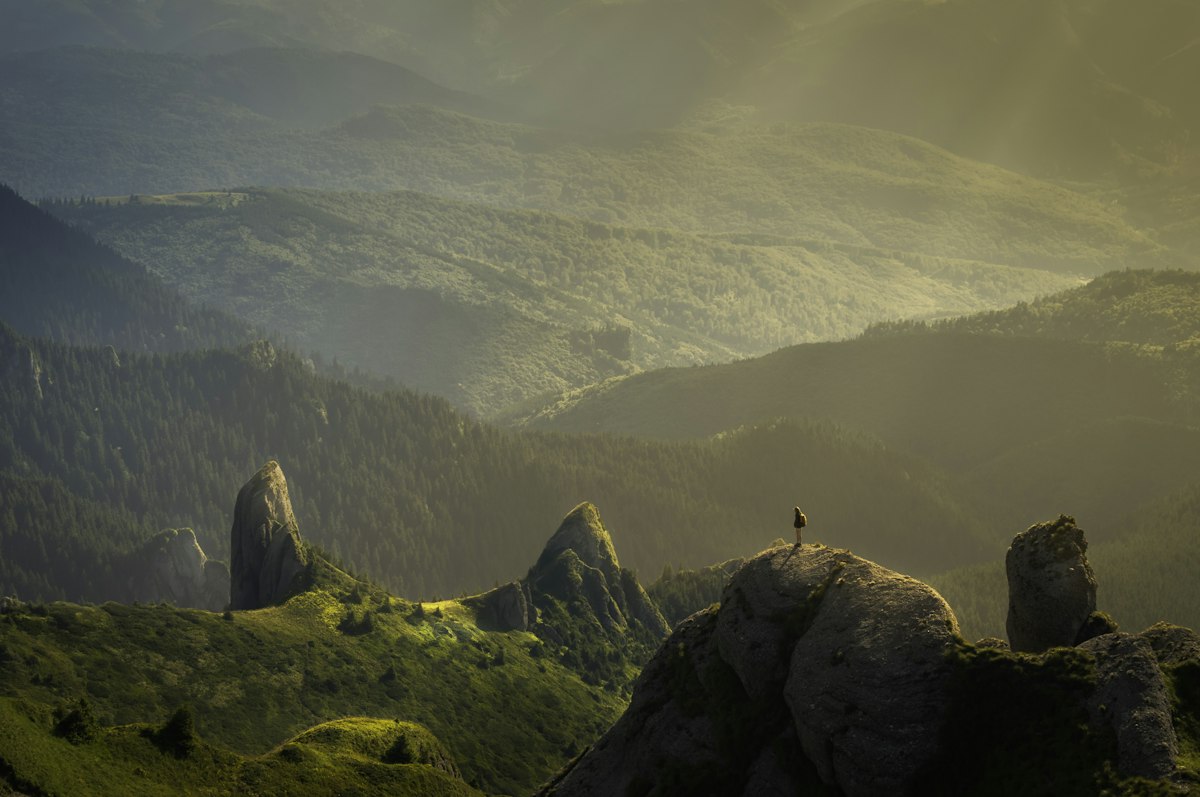
Some places are changing faster than the travel industry is acknowledging. The landscapes and ecosystems that appear on every bucket list are not static. They are subject to the same pressures that are altering every natural system on earth, and some of them have a narrowing window during which the experience they currently offer will remain available.
This is not a scare piece. It is practical travel planning information.
The Glaciers of Patagonia
”
The Perito Moreno Glacier in Argentine Patagonia is one of the few glaciers in the world that is currently stable, neither advancing nor retreating significantly. It calves ice into Lake Argentino in a process that produces sounds like artillery fire and creates icebergs that float blue-white in the turquoise water. The boardwalks around the glacier face put you close enough to feel the cold air coming off the ice.
Most of Patagonia’s other glaciers are retreating. The Grey Glacier in Torres del Paine has lost significant volume. Visiting the glacial landscapes of Patagonia now, before further retreat changes the character of the landscape, is the correct priority.
The Coral Triangle

”
The Coral Triangle, covering the seas between Indonesia, Philippines, Malaysia, Papua New Guinea, Solomon Islands, and East Timor, contains seventy-six percent of the world’s coral species and more marine biodiversity than any other ocean region on earth. It is also one of the most heavily affected regions by ocean warming and coral bleaching.
Raja Ampat in West Papua, widely considered the most biodiverse marine environment accessible to recreational divers, still has reefs in excellent condition. The experience of diving a healthy coral reef system, with the density of fish life and the structural complexity of the coral architecture, is one that is becoming rarer. It is worth prioritising.
The Venetian Lagoon

”
Venice is sinking and the sea is rising and the combination of the two means that the character of the city is already changing. The acqua alta, the periodic flooding that has always been part of Venetian life, is more frequent and higher than it was a generation ago. The MOSE flood barrier system provides some protection but does not reverse the underlying process.
Venice as it currently exists, with the squares and the ground-floor rooms and the relationship between the city and the water that has defined it for a thousand years, deserves to be visited before that relationship changes further. Go in November or February, when it is cold and occasionally flooded and entirely itself.
The Amazon Rainforest

”
The Amazon has lost approximately twenty percent of its original forest cover and the rate of loss in some areas is accelerating. The Osa Peninsula in Costa Rica, the Manu Biosphere Reserve in Peru, and the more remote sections of the Brazilian Amazon accessible from Manaus still represent the forest at its most intact and most biodiverse.
The experience of genuine primary rainforest, the density and the darkness and the sound and the wildlife, is available now and in many accessible forms. The version that will be available in fifty years is genuinely uncertain.
Route, budget and verification notes
Last editorial review: 1 August 2026. Recheck time-sensitive details shortly before travel.
Build the route
- The Glaciers of Patagonia
- The Coral Triangle
- The Venetian Lagoon
- The Amazon Rainforest
Use these sections as planning anchors rather than a fixed schedule. Confirm door-to-door transfer times, opening days and reservation requirements, then add recovery time after long journeys.
Budget before booking
Price the trip in four separate groups: accommodation, transport, food and paid activities. Add local transfers, baggage fees, taxes, insurance and a contingency amount. Exact prices vary by season and booking date, so this guide does not invent a single daily figure that may already be outdated.
Sources to verify
- IATA Travel Centre for official or primary travel information.
- IATA Travel Centre for passport, visa and health-document checks.
